How to Source Ply Board Wood for Your Business Needs?
Sourcing Ply Board Wood for your business can be a daunting task. The market is diverse, with various suppliers and types available. Understanding your specific needs is crucial. Ply Board Wood differs greatly in quality, thickness, and finish.
Establishing a reliable supply chain ensures consistency in your products. It’s not just about finding the cheapest option. You must consider the durability and sustainability of the wood. Engaging with local suppliers can offer unique benefits. They often provide a personal touch and can answer your questions directly.
Evaluate potential suppliers thoroughly. Look for those with good reputations. Reviews and recommendations can provide insight into their reliability. Transparency in sourcing practices is essential. You should feel confident about the material you’re using. Ultimately, a well-informed decision on Ply Board Wood can elevate your business presence and reliability.
Understanding Ply Board: Types and Specifications for Sourcing
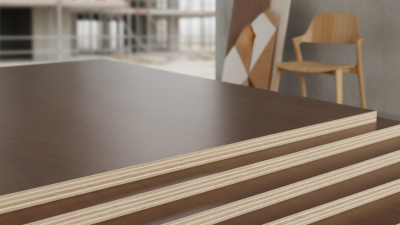
When sourcing ply board wood, understanding its types and specifications is crucial. Ply boards come in various forms, including softwood, hardwood, and marine ply. Each type has unique properties that cater to different applications.
Softwood ply boards are lightweight and cost-effective, making them suitable for temporary structures. Hardwood ply boards offer durability and strength, ideal for furniture and cabinetry.
Marine ply is specially designed to withstand moisture, perfect for boats and outdoor furniture. Knowing the right type helps avoid costly mistakes. Consider grades as well. Higher grades ensure fewer defects, which can affect both aesthetics and functionality. Always check for certifications like IS 303 or IS 710.
When sourcing, it's vital to evaluate suppliers. A quality supplier provides reliable information about the wood grade. Look for manufacturers with a good track record. Seek references from other businesses to ensure credibility. Understanding these elements will make sourcing ply board more efficient and effective.
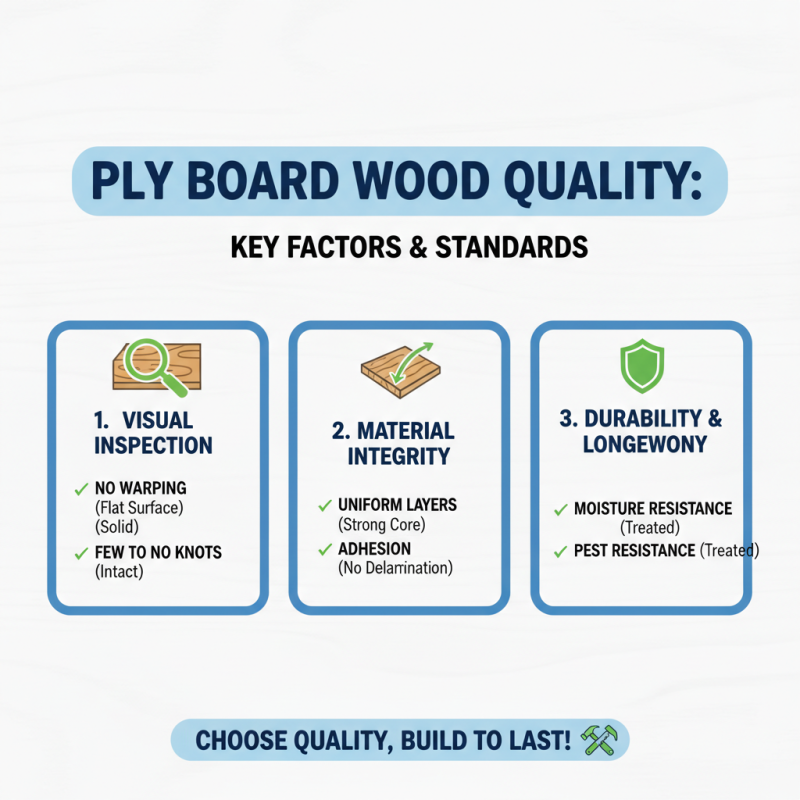
Evaluating the Quality of Ply Board Wood: Key Factors and Standards
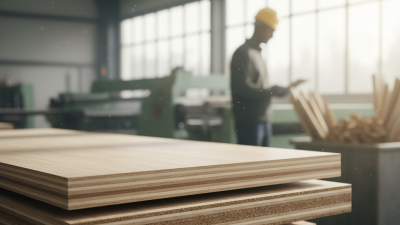
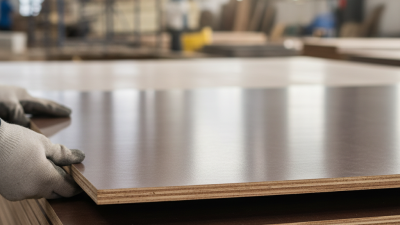
When sourcing ply board wood, it's crucial to evaluate its quality. Quality wood impacts the durability and aesthetic of your products. Look for signs of manufacturing defects. Inspect for warping, knots, or cracks. These flaws can compromise the wood’s integrity and longevity.
Check the moisture content of the ply board. Ideally, it should be around 8-12%. Higher moisture can lead to swelling or mold. Conducting a simple test can help you gauge this. You might use a moisture meter to make a reliable assessment. Understanding the wood’s grade is equally important. Higher grades, like A or B, indicate fewer imperfections and better performance.
**Tip:** Always source wood from reputable suppliers. This ensures access to quality materials. Ask for certifications or standards that guarantee quality. Don’t hesitate to ask questions about the sourcing process. Transparency from suppliers reflects their commitment to quality. Consider the environmental impact of your choices. Sustainable sourcing practices can enhance your business's reputation.
Cost Analysis: Average Prices and Market Trends for Ply Board Wood
When analyzing the cost of ply board wood, understanding current market trends is essential. Prices can fluctuate based on factors such as supply chain disruptions and demand spikes. In recent years, the average cost has shown an upward trend, but regional variations do exist. For instance, urban areas may incur higher prices due to transportation costs, while rural regions may offer more competitive rates.
To make informed purchasing decisions, consider these tips. Research local suppliers thoroughly. Prices can vary widely in different markets. Connect with multiple vendors to compare quotes effectively. Attend trade shows or industry events; this can provide valuable insights into pricing and quality standards.
Market trends also influence future costs. Monitoring construction and renovation projects can give clues about rising demand. As more builders turn to eco-friendly materials, the ply board sector may see increased prices due to heightened demand. Staying aware of these dynamics ensures your business remains competitive while sourcing high-quality ply board wood.
Identifying Reliable Suppliers: Where to Source Ply Board Wood Efficiently
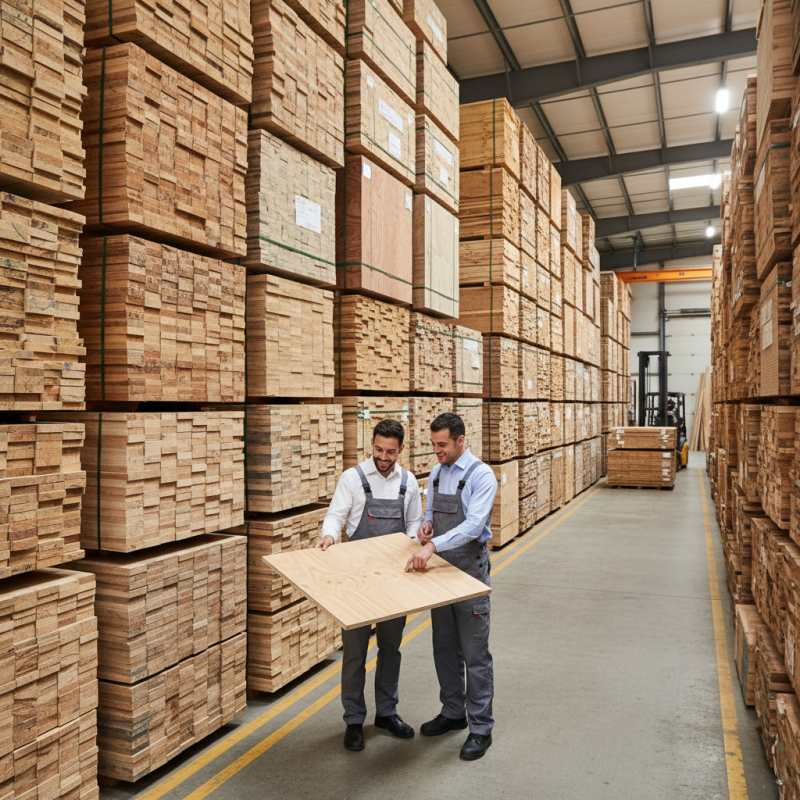
Finding reliable suppliers for ply board wood is crucial for your business success. Start by researching local lumberyards and sawmills. These sources often provide quality materials at competitive rates. Visiting them in person can also help you assess their operations and product quality. Establishing relationships with suppliers creates trust. You may discover hidden gems in your local area.
Online platforms can be a valuable resource as well. Many websites allow you to compare prices and read reviews. However, it's essential to verify the credibility of these suppliers. Look for testimonials and ratings from previous customers. Be cautious of suppliers with little feedback. Sometimes, a too-good-to-be-true deal might lead to subpar products.
Don't underestimate the importance of quality over quantity. Choosing the right suppliers requires careful consideration. You may face supply chain disruptions or quality inconsistencies. Evaluate your options regularly and adapt your sourcing strategy when necessary. This flexibility can ensure you maintain stock levels without compromising on quality.
Sustainability in Sourcing: Eco-Friendly Practices in Ply Board Production
Sustainability is critical in ply board production. Eco-friendly practices minimize environmental impact. Using sustainably sourced wood is essential. According to a report by the Forest Stewardship Council, certified forests improve biodiversity. This practice also supports local economies.
Recycling wood waste is another effective strategy. Studies show that utilizing wood scraps in manufacturing can reduce landfill waste. Yet, only 29% of wood waste is recycled into new products. This reflects a significant area for improvement in the industry. Implementing closed-loop systems can help. These systems reuse materials effectively, cutting down on resource extraction.
While many companies are moving towards greener practices, challenges remain. Not all producers prioritize sustainability. The lack of transparency in sourcing can make it difficult to verify practices. Addressing these issues is vital for the future of ply board manufacturing. Proper certifications and audits are necessary steps towards accountability and trust.