Choosing the best Film Faced Plywood for your project is crucial. This material is essential in construction and furniture industries. According to industry reports, the global demand for Film Faced Plywood is expected to reach $18.9 billion by 2027. This growth is driven by its durability and water resistance.
Film Faced Plywood offers several advantages. Its surface can withstand harsh weather conditions. This makes it suitable for both indoor and outdoor projects. However, not all Film Faced Plywood is created equal. Selecting the right type can be challenging. Recent analyses show that only 30% of available products meet high-quality standards. This leaves many buyers questioning their choices.
When selecting Film Faced Plywood, consider its film type and thickness. Factors like application, budget, and environmental impact also matter. Paying attention to these details can prevent costly mistakes. Ultimately, your choice can significantly affect the lifespan of your project. Choose wisely and ensure the best outcome for your needs.
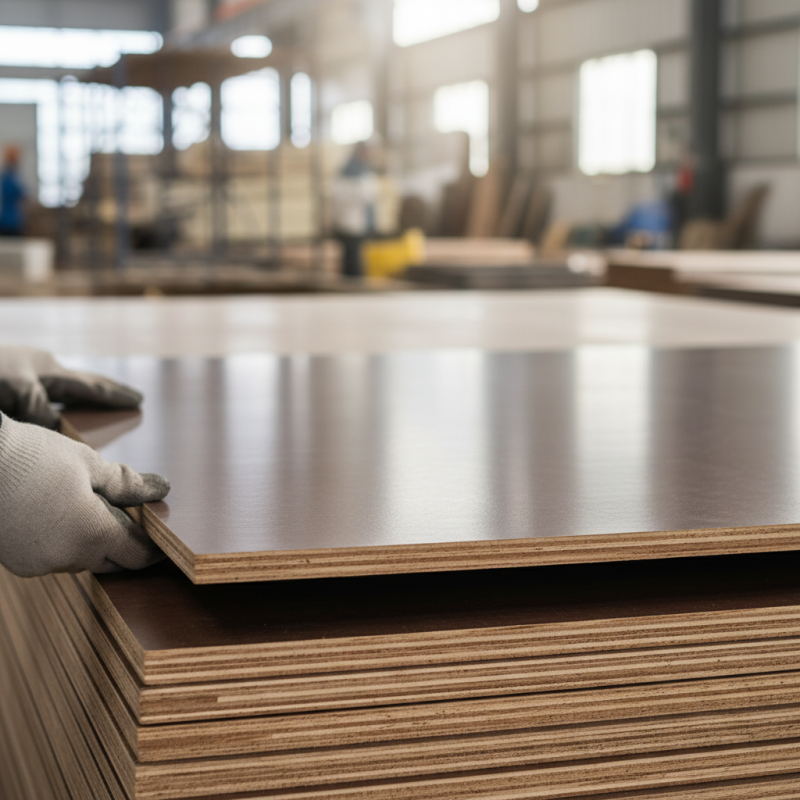
Film faced plywood is a specialized material commonly used in construction and furniture making. It features a thin film on its surface, providing resistance to water and wear. This characteristic makes it suitable for projects that require durability. According to a recent industry report, the global film faced plywood market is projected to grow at a CAGR of 4.5% from 2022 to 2027.
One of the primary uses of film faced plywood is in concrete formwork. The smooth surface allows for easy concrete release, providing better finish quality. Additionally, its resistance to moisture ensures longevity, making it a preferred choice among builders. However, not all film faced plywood products are created equal.
The thickness of the film, type of adhesive used, and plywood grade significantly impact performance. It is crucial to assess these factors to ensure optimal selection for your project.
Another critical aspect is the environmental impact. Many manufacturers are now offering eco-friendly options. These variants use chemical-free adhesives and sustainable wood sources. Nevertheless, it’s vital to verify certifications. Transparency in sourcing and production helps build trust. Selecting the right film faced plywood requires careful consideration of both functional and ethical parameters.
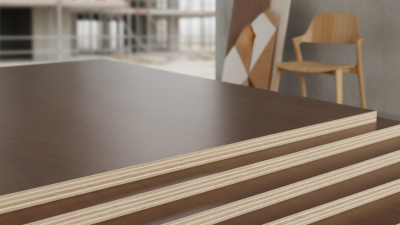
Choosing the right film faced plywood requires careful consideration of several key factors. Start by assessing the thickness. Thicker plywood tends to provide more durability and stability. Thickness can impact strength during construction. Also, consider the type of film used. High-quality films provide better moisture resistance and longer-lasting finishes.
Another critical aspect is the bonding quality. Look for plywood with strong adhesives. This determines how well the plywood withstands stress and environmental factors. Pay attention to the edges as well. Sealed edges can prevent moisture absorption, reducing the risk of warping.
It’s also essential to understand the intended use. Heavy-duty projects may need sturdier options. However, lighter applications might not require as much strength. Remember that aesthetics can matter too. A smooth, even finish enhances the visual appeal of your work. It's important to reflect on how these choices align with your project's goals.
| Factor | Description | Importance Level |
|---|---|---|
| Type of Core | Consider the type of core material (e.g., poplar, pine, or birch) for durability and weight. | High |
| Film Thickness | The thickness of the film affects water resistance and durability. | Medium |
| Surface Finish | Choose a smooth finish for clean cuts and aesthetics. | Medium |
| Water Resistance | Look for plywood with high water resistance for outdoor use. | High |
| Bending Strength | Important for structural applications where strength is crucial. | High |
| Certification Standards | Ensure compliance with relevant standards for safety and quality. | Medium |
| Cost | Consider your budget and balance price with quality. | High |
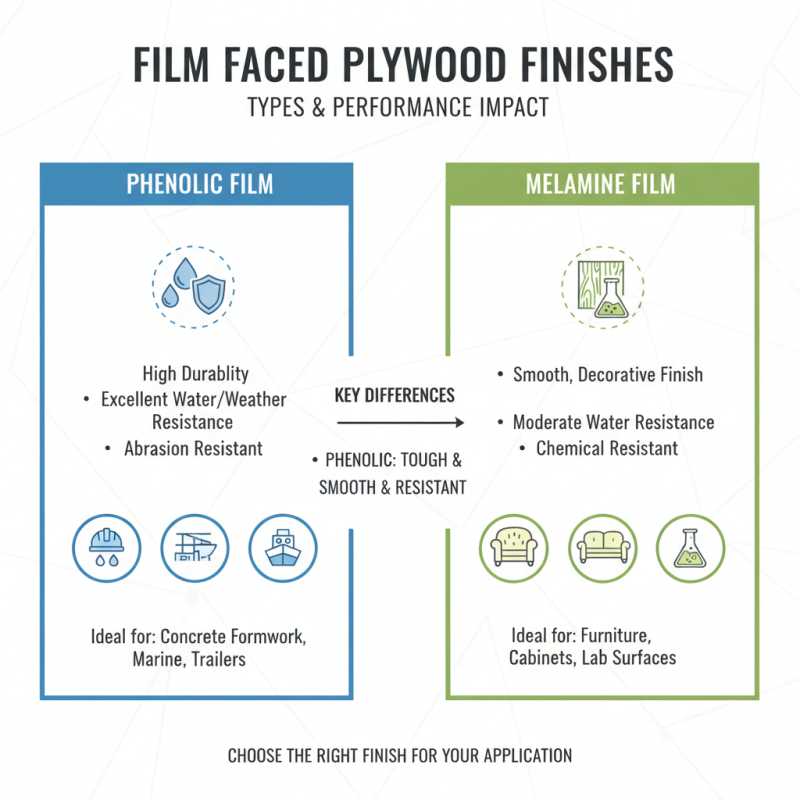
When selecting film faced plywood, understanding the types of film finishes is crucial. Different finishes bring distinctive characteristics to the plywood. Common types include phenolic and melamine films. Each type offers varying levels of durability and water resistance.
Phenolic film faced plywood is known for its excellent moisture resistance. This makes it ideal for outdoor projects or areas with high humidity. Melamine finishes, while more affordable, can be less durable and may wear out faster over time. Consider the environment of your project. If it’s in a wet area, phenolic is your best bet.
However, it’s essential to recognize the trade-offs. Phenolic films can be heavier and more expensive. Melamine might save you money, but at what cost? Think about how often you’ll use the plywood. Frequent use may justify the investment in higher-quality phenolic finishes. Evaluate your project's demands carefully. The right finish influences both performance and longevity.
When evaluating the thickness and density of film faced plywood, understanding your project's specific needs is crucial. Thickness usually varies from 12mm to 21mm. The American Plywood Association specifies that thicker plywood is ideal for heavy-duty applications. Density also plays a key role; higher density often translates to better durability and resistance to wear. Choosing the right combination ensures longevity and performance under stress.
Tip: Always consider the weight load your project will support. Use test data from recognized industry standards to inform your choices. For example, projects needing a strong base, like flooring or formwork, often benefit from plywood with a density of over 600 kg/m³. A report by the Forest Products Laboratory highlights that denser panels reduce deflection, offering greater stability.
In some situations, less density may seem appealing for its cost benefits. However, this choice can lead to shorter lifespans or increased maintenance. It’s essential to balance cost with durability. Inspecting the finished surface quality can also reveal how well the plywood will perform over time. A less than ideal finish might indicate a compromise in durability, even if it seems economical at first glance. Your choice will directly impact the project's success.
When selecting film faced plywood for construction, cost and quality are critical factors. According to industry reports, the average cost of plywood varies significantly based on species and thickness. Basic plywood might cost between $30 to $50 per sheet, while higher-grade options can soar to $100 or more. Understanding the balance between your budget and quality is essential for making the best choice.
It's crucial to evaluate the key attributes of plywood. For instance, the structural integrity and surface finish can dramatically impact project longevity. A report by the American Plywood Association highlights that plywood with a high quality film face offers better water resistance and durability, leading to fewer replacements over time. An initial investment in quality plywood can result in long-term savings.
Tips: Consider project-specific requirements before making your purchase. Testing samples can reveal how different products stand up to wear. Be cautious of overly cheap options; they may compromise safety and quality. Always consult with professionals when unsure about your choices. Quality doesn't just equal price; performance matters too.