2025 Top Trends in Osb Board Plywood for Home and Construction Projects
In the ever-evolving realm of construction materials, the significance of Osb Board Plywood continues to rise, shaping the standards for home and commercial projects alike. According to industry expert Dr. Emily Hart, a renowned figure in sustainable building materials, “The versatility and cost-effectiveness of Osb Board Plywood make it a top choice for modern construction, paving the way for innovative design while ensuring structural integrity.” As we approach 2025, it is crucial to explore the upcoming trends in this dynamic sector that promise to enhance both functionality and aesthetic value.
With increasing demands for sustainable building practices, Osb Board Plywood is at the forefront of these shifts. It not only meets the growing need for environmentally friendly materials but also showcases adaptability across various applications, from framing to furniture manufacturing. In the following sections, we will delve into the anticipated trends that will define the use of Osb Board Plywood in home and construction projects, focusing on advancements in technology, design aesthetics, and sustainability practices that are set to transform the industry landscape in the coming years.
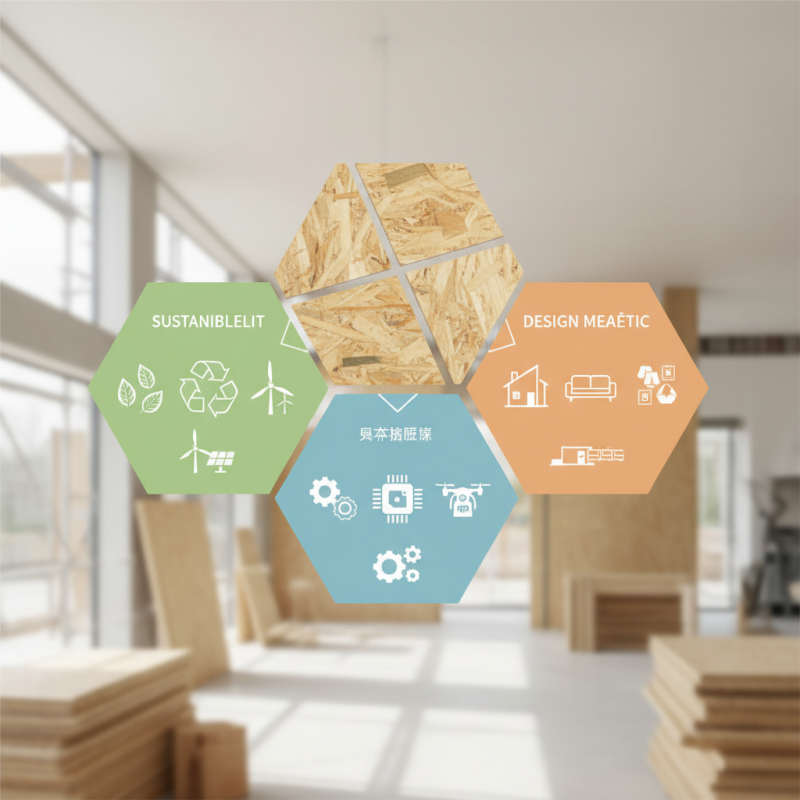
Emerging Technologies in OSB Board Plywood Manufacturing
The manufacturing landscape of OSB (Oriented Strand Board) plywood is poised for significant transformation by 2025, driven by emerging technologies that promise to enhance efficiency and sustainability. Recent industry analyses indicate that advanced techniques such as digital laser scanning and robotics are increasingly being integrated into production processes. These technologies allow for precise material optimization and waste reduction, thereby maximizing yield and minimizing environmental impact. According to a report by the Forest Products Laboratory, the use of these innovations can increase manufacturing efficiency by as much as 30%, a critical advancement for meeting the growing demand for sustainable building materials.
Moreover, the adoption of machine learning and artificial intelligence in OSB production is paving the way for predictive maintenance and improved quality control. With data-driven insights, manufacturers are better equipped to anticipate equipment failures and optimize production schedules. This results in significant cost savings and a reduction in downtime. A study by the Composite Panel Association has shown that companies implementing AI-driven analytics in their operations reported a 20% increase in production output, showcasing the potential of these technologies to drive growth in the OSB plywood sector. Ultimately, as these emerging technologies continue to evolve, they will play a pivotal role in redefining the future of OSB board plywood manufacturing, aligning with the need for greener and more efficient building materials.
Sustainability Trends Shaping OSB Board Plywood Production
The sustainability movement is reshaping the production landscape of OSB board plywood, prioritizing environmentally-friendly practices at every stage of the manufacturing process. As consumers become increasingly aware of their ecological footprint, manufacturers are responding by sourcing raw materials from managed forests and utilizing recycled wood fibers. This transition not only reduces waste but also lessens the demand for virgin timber, contributing to healthier forests and ecosystems.
Furthermore, innovations in adhesive technologies are leading to the creation of lower-emission products, which align with green building standards. Water-based adhesives, for instance, significantly reduce volatile organic compounds (VOCs), making OSB board plywood safer for indoor air quality. Additionally, the push towards energy-efficient manufacturing processes has resulted in lower carbon emissions, demonstrating that sustainability and productivity can go hand-in-hand in the construction industry. As these trends gain traction, they are set to define the future of OSB board plywood, ensuring that it meets the demands of eco-conscious homeowners and builders alike.
2025 Top Trends in OSB Board Plywood for Home and Construction Projects
This chart illustrates the top trends in OSB board plywood that are expected to shape home and construction projects in 2025. Each trend's impact score is rated from 1 to 10, highlighting the emphasis on sustainability and innovation in the industry.
Innovative Applications of OSB Board Plywood in Home Design
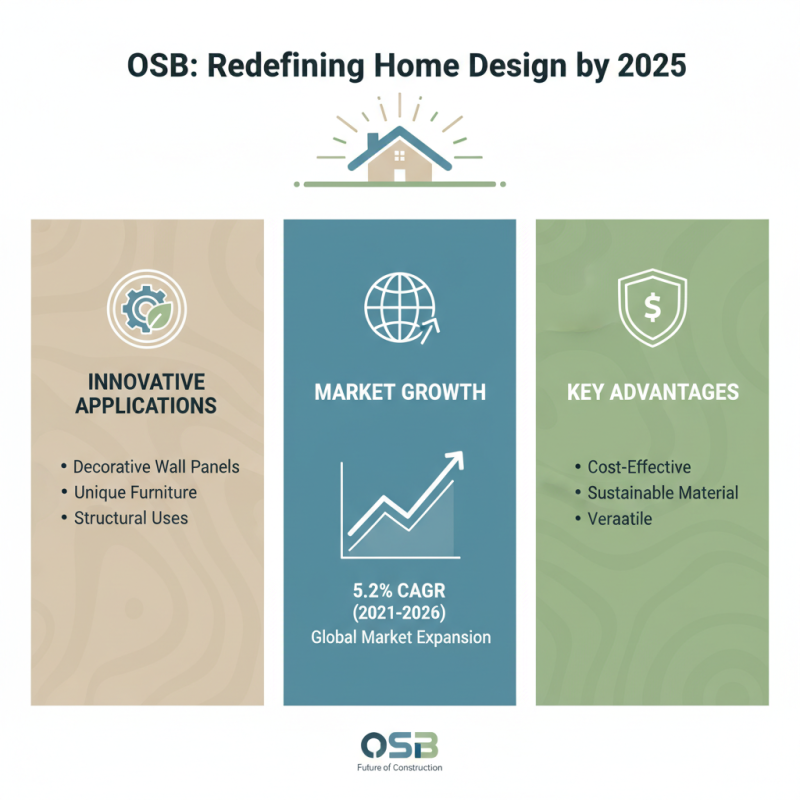
The innovative applications of OSB (Oriented Strand Board) in home design are poised to redefine construction practices by 2025. As a versatile building material, OSB is gaining traction due to its cost-effectiveness and sustainability. According to recent industry reports, the global OSB market is expected to grow at a CAGR of 5.2% from 2021 to 2026, illustrating its increasing popularity in residential and commercial projects alike. Interior designers are now utilizing OSB not only for structural purposes but also for aesthetic features, such as decorative wall panels and unique furniture pieces.
In home design, OSB plays a pivotal role in creating innovative spaces. Its natural texture and finish lend themselves well to contemporary and industrial styles, making it a favored choice among architects and homeowners. The lightweight yet durable nature of OSB allows for easy handling and installation, which improves efficiency in construction timelines. Additionally, the material's ability to be painted or stained offers endless customization options, allowing homeowners to personalize their spaces while maintaining eco-friendly standards.
Tips: When considering OSB for your next home project, make sure to select moisture-resistant variants if you're using it in areas prone to humidity, such as bathrooms or kitchens. Additionally, pairing OSB with natural wood accents can create a visually striking contrast that enhances your interior design. Always ensure proper ventilation during installation to maintain air quality and prolong the lifespan of the material.
Comparative Analysis: OSB Board vs. Traditional Plywood
When comparing OSB board (Oriented Strand Board) and traditional plywood, various factors come into play, influencing the choice for many builders and homeowners. OSB's manufacturing process utilizes strands of wood, linking them together with adhesives under heat and pressure. This results in a strong and structurally stable material that often boasts a lower cost than plywood. According to a report from the Engineered Wood Association, OSB can be up to 20% less expensive than plywood, making it an attractive option for cost-sensitive projects.
However, traditional plywood remains significant due to its superior moisture resistance and natural aesthetic. Plywood is made from thin layers of wood veneers, which are glued together, offering a finish that's often deemed more visually appealing. In fact, studies show that plywood has a higher bending strength and durability in scenarios involving thermal expansion and contraction. As construction demands evolve, the choice may ultimately depend on specific project requirements.
**Tips:** When deciding between OSB and plywood, consider the long-term implications for your project. For structures exposed to moisture, plywood might be the preferable option. Conversely, for wall sheathing or subflooring in budget-driven projects, OSB offers excellent value without sacrificing performance. Always evaluate both material strengths and weaknesses against the needs of your particular application.
2025 Top Trends in Osb Board Plywood for Home and Construction Projects
| Feature |
OSB Board |
Traditional Plywood |
| Cost |
Lower initial cost |
Higher initial cost |
| Weight |
Heavier per panel |
Lighter per panel |
| Moisture Resistance |
Moderate |
Higher due to laminated layers |
| Durability |
Good, but can warp |
Very durable |
| Applications |
Sheathing, subflooring, furniture |
Cabinetry, high-end furniture |
| Environmental Impact |
Made from recycled wood fibers |
Sourced from natural wood |
| Installation Time |
Faster due to larger panel size |
Can take longer due to handling |
Cost-Efficiency Strategies for Using OSB Board in Construction Projects
As the construction industry continues to evolve, the efficiency and affordability of materials play a pivotal role in shaping project outcomes.
OSB (oriented strand board) has emerged as a leading alternative to traditional plywood due to its cost-effectiveness and versatility.
According to the "Wood Products and Construction Market Report," OSB prices remain significantly lower than those of plywood, often by approximately 20-30%.
This price difference can lead to substantial savings, especially in large-scale construction endeavors where material cost is a critical factor.
To maximize the cost-efficiency of using OSB board in construction projects, builders can implement several strategies.
First, utilizing OSB for structural applications—such as wall, floor, and roof sheathing—capitalizes on its strength and durability while minimizing expenditure.
Additionally, its lightweight nature allows for easier handling and reduced transportation costs.
The "National Association of Home Builders" reports that projects using OSB as a primary material can reduce labor costs by up to 15%, as workers find it easier to manage and install compared to heavier materials.
Furthermore, proper storage and handling of OSB can prevent unnecessary waste, which directly affects project budgets.
Ensuring that OSB panels are kept dry and protected from environmental damage can maintain their integrity and usability.
A study published in "The Journal of Forestry" indicates that appropriately managed OSB materials show a 10% lower rate of defects compared to unprotected stocks,
emphasizing the importance of strategic logistics in achieving overall cost savings in construction projects.