How to Choose the Right Plastic Laminated Plywood for Your Projects?
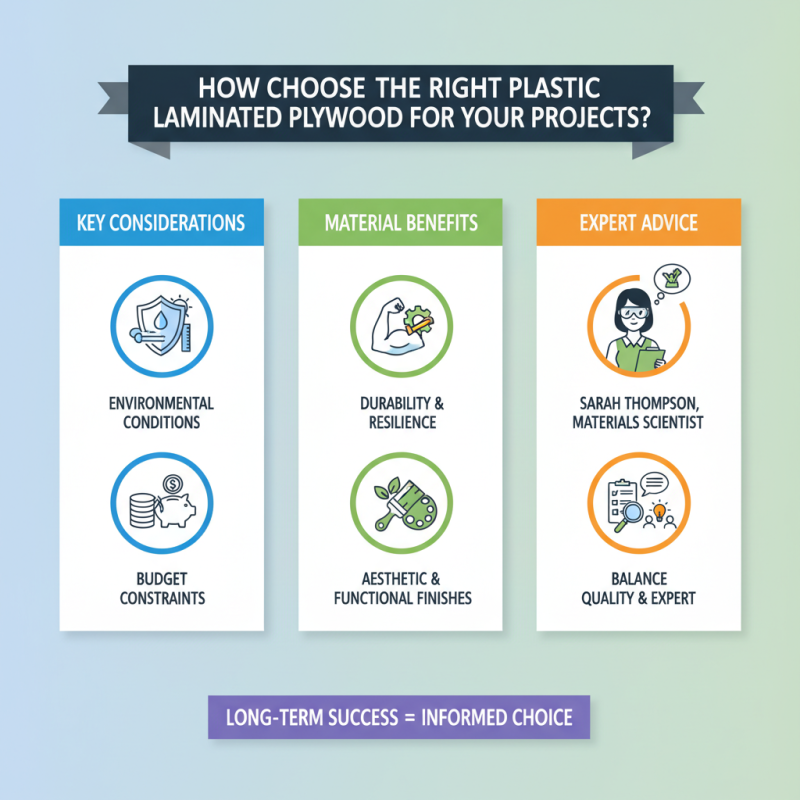
When embarking on a project that requires the right materials, choosing the appropriate type of Plastic Laminated Plywood is crucial. Industry expert Sarah Thompson, a leading materials scientist, emphasizes, "Selecting the right plywood can make or break your project's success." This highlights the importance of understanding various specifications.
Plastic Laminated Plywood offers durability and resilience. With a variety of finishes available, it caters to both aesthetic and functional needs. However, not all options are equal; the choice often depends on the intended use, environmental conditions, and budget constraints. Many users overlook these factors, leading to potential project failure.
In this evolving market, balancing quality and cost is vital. While you may be drawn to lower prices, consider the long-term effects. Issues like water resistance and surface integrity can lead to regrets down the line. Engaging with an expert when making this decision can guide you toward the optimal choice.
Understanding Plastic Laminated Plywood and Its Benefits
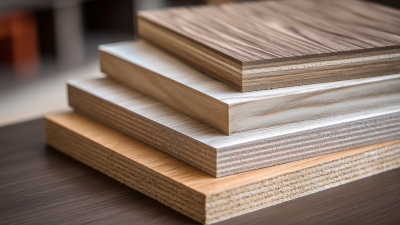
Plastic laminated plywood is an excellent choice for various projects due to its durability and aesthetic appeal. This material features a strong plywood base with a plastic laminate finish. It provides a protective layer that resists moisture, scratches, and stains. The finish allows for easy cleaning, making it ideal for kitchens and bathrooms.
Choosing the right type of plastic laminated plywood requires understanding its benefits. One major advantage is its versatility. It can be used in furniture, cabinetry, and commercial settings. The wide range of colors and textures available allows for creative designs. However, not all laminates are equal; some may not adhere well under certain conditions. Always consider your specific needs to avoid issues later.
**Tips:** When selecting laminated plywood, check the thickness of the laminate. Thicker laminates tend to be more robust and long-lasting. Don't overlook the quality of the plywood underneath, as it affects overall strength. Lastly, consider environmental factors like moisture levels in your workspace. These can impact your choice significantly. Balancing aesthetics with practicality is essential for a satisfying project outcome.
How to Choose the Right Plastic Laminated Plywood for Your Projects?
| Property |
Description |
Benefits |
Ideal Use Cases |
| Thickness |
Available in various thicknesses (e.g., 4mm, 6mm, 19mm) |
Customization for different project needs |
Furniture, cabinetry, wall panels |
| Surface Finish |
Variety of textures and colors available |
Aesthetic appeal and versatility |
Interior design, decorative elements |
| Durability |
Resistant to moisture, stains, and scratches |
Long-lasting performance |
High-traffic areas, kitchen cabinets |
| Weight |
Lightweight compared to traditional plywood |
Easier handling and installation |
Modular furniture, wall-mounted units |
| Environmental Impact |
Varies by manufacturer; seek eco-friendly options |
Supports sustainable building practices |
Green building projects, eco-design |
Key Factors to Consider When Choosing Plastic Laminated Plywood
Choosing the right plastic laminated plywood for your projects requires careful consideration of several key factors. Durability is paramount. According to a recent industry report, high-quality laminated plywood can withstand heavy usage and resist moisture better than standard plywood. This is particularly important in high-humidity areas, where regular plywood often fails.
Another factor is aesthetic appeal. The surface finish of laminated plywood can vary greatly. Options range from smooth, glossy finishes to textured surfaces. A survey released by the Woodworkers Association noted that 68% of professionals preferred laminated plywood for its versatility in design. This allows for creative freedom in projects, catering to modern and traditional aesthetics alike.
Cost is an essential consideration. While laminated plywood may have a higher upfront cost, its longevity can lead to savings over time. A study from the Construction Materials Research Institute highlighted that investing in quality materials results in fewer replacements. Reflecting on this, one might wonder if the initial investment is justified. However, the long-term benefits often outweigh short-term savings.
Different Types of Plastic Laminated Plywood Available on Market
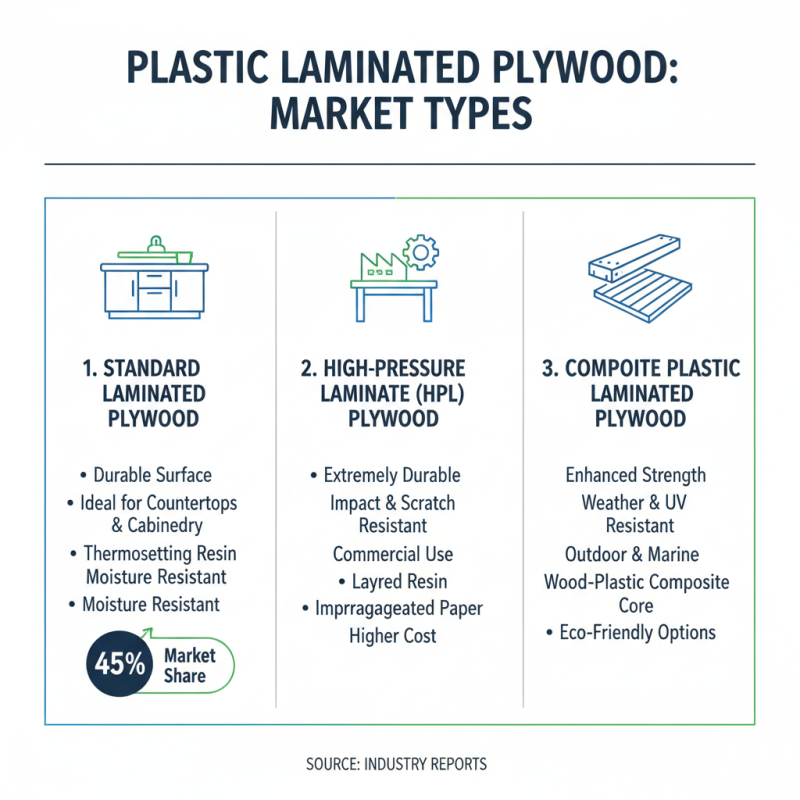
When choosing plastic laminated plywood, understanding the different types available is crucial. The market offers various options, each designed for specific applications. One popular type is standard plastic laminated plywood, which features a durable surface ideal for countertops and cabinetry. This material often includes a thermosetting resin, enhancing longevity and resistance to moisture. According to industry reports, this category accounts for approximately 45% of the plastic laminated plywood market.
Another option is high-pressure laminate (HPL) plywood, known for its robust performance. HPL is produced using a specialized press process, creating a thicker, denser surface. It is especially effective in high-traffic environments like hospitals and schools. Recent studies indicate that HPL can withstand static loads better than traditional laminated surfaces, which speaks to its suitability for demanding applications.
Lastly, compact laminate is gaining traction. It is thicker and offers increased impact resistance. This makes it ideal for outdoor use and high-moisture areas. However, its weight can be a drawback in some projects. Designers must weigh the benefits of durability against ease of handling. As such, careful consideration of project needs and material properties is essential for achieving satisfactory results.
Applications of Plastic Laminated Plywood in Various Projects
Plastic laminated plywood offers versatility in various applications. It's commonly used in furniture-making due to its durability and aesthetic appeal. The smooth surface enables easy cleaning. In offices, this plywood serves as an excellent choice for desks and partitions. Its ability to resist moisture makes it ideal for kitchen cabinets and countertops.
In construction, plastic laminated plywood is a favored material for wall paneling and flooring. It adds a modern touch and can withstand heavy foot traffic. Many builders appreciate its lightweight nature, which facilitates installation. However, the surface can scratch, and maintenance may require occasional refinishing.
This plywood is also suitable for artistic projects. Designers might use it for custom art installations or decorative items. The variety of colors and patterns available expands creative possibilities. Still, some may struggle with achieving seamless joints. Proper techniques in cutting and fitting can alleviate this challenge.