Top Types of Lumber Beams for Your Construction Projects?
When considering construction projects, choosing the right lumber beams is crucial. Lumber beams serve as the backbone for various structures, offering stability and support. They come in different types, each with unique properties and uses.
The selection of lumber beams can impact the longevity and durability of a project. Understanding the specific requirements of your build is essential. Factors like load-bearing capacity and environmental exposure should guide your decision. For example, certain lumber species are better suited for outdoor use, providing enhanced resistance to decay and pests.
Navigating through the various types available may feel overwhelming. Take the time to evaluate your options carefully. Optimal choices can prevent costly issues later on. Overall, informed decisions in selecting lumber beams can lead to a more successful construction experience, ensuring safety and functionality for years to come.
Types of Lumber Beams: An Overview of Common Options
When selecting lumber beams for construction, understanding the types available is crucial.
Common options include dimensional lumber, engineered wood, and glulam beams.
Dimensional lumber is often used for residential framing.
It is widely available and relatively affordable. However, it can be prone to warping and defects, which may impact its structural integrity over time.
Engineered wood beams, like LVL (laminated veneer lumber), offer enhanced strength.
They are manufactured by adhering layers of wood together. This process reduces the chances of warping and increases load-bearing capabilities.
Many builders appreciate this option for its uniformity and reliability.
Nevertheless, some may wonder about the environmental impact of engineered woods.
Glulam beams are another strong choice. They consist of smaller pieces glued together to form larger beams.
These can be crafted into various shapes and sizes, making them versatile for designs.
However, the installation of glulam beams can be more complex, requiring skilled labor.
Ultimately, each beam type has its pros and cons, often reflecting the specific needs of a project.
Considerations like budget, design, and environmental impact should guide the decision-making process.
Characteristics of Softwood vs. Hardwood Beams in Construction
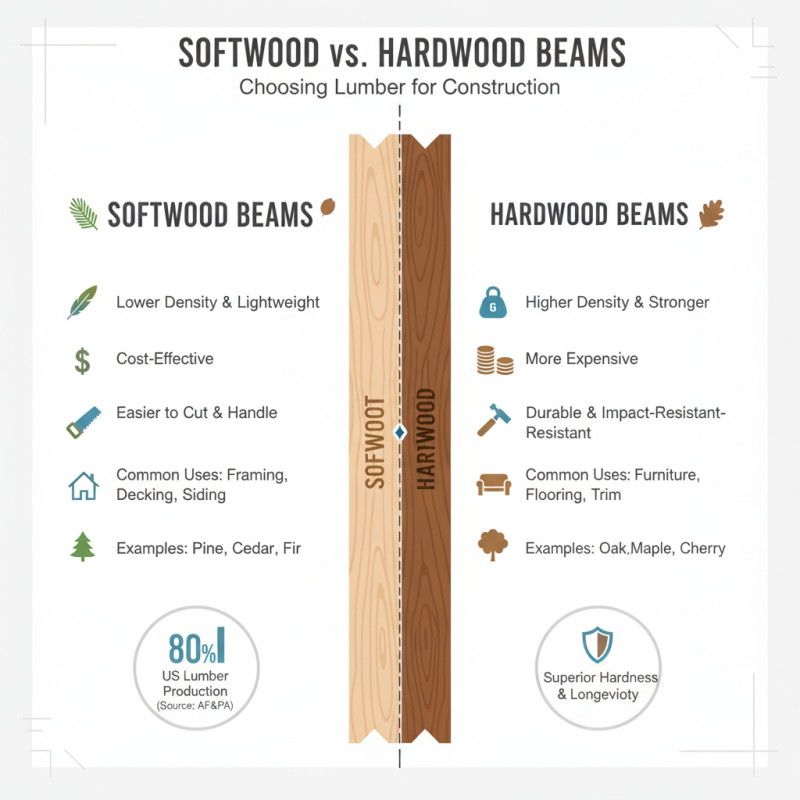
When choosing lumber beams for construction projects, understanding the differences between softwood and hardwood is crucial. Softwoods, such as pine and cedar, are often preferred for their lightweight and cost-effective nature. They typically have a lower density, making them easier to handle and cut. According to the American Forest & Paper Association, softwoods account for around 80% of lumber production in the U.S. This dominance indicates their popularity and versatility in various applications.
On the other hand, hardwoods like oak and maple are known for their strength and durability. They have a higher density, contributing to their ability to withstand heavy loads. A study by the U.S. Department of Agriculture's Forest Service notes that hardwoods are more resistant to wear and tear, making them ideal for structural applications and high-traffic areas. However, the higher cost and complexity of sourcing hardwoods may lead to budget constraints and supply challenges, which are vital factors to consider.
In construction, the choice between softwood and hardwood can impact the overall project's longevity and performance. Softwoods may require more frequent replacement, while hardwoods offer a long-lasting solution. The decision should reflect not only the technical requirements but also the project’s sustainability goals and budget limitations. Finding a balance is essential for successful construction outcomes.
Benefits of Engineered Lumber Beams for Structural Support
Engineered lumber beams have become a popular choice in construction due to their numerous benefits. Unlike traditional lumber, these beams are crafted from layers of wood, which enhances their strength and stability. They can span longer distances without sagging. This feature makes them ideal for open-concept layouts in modern buildings.
One significant advantage is their resistance to warping. Natural wood often shrinks or expands with moisture. Engineered beams maintain their shape over time, reducing the risk of structural issues. They also offer better load-bearing capacity, ensuring that your building remains safe and durable. Using engineered lumber can lead to lower costs in repairs and maintenance.
Despite these advantages, it is essential to reflect on their environmental impact. The production process may involve adhesives and chemicals. This can raise questions about sustainability in construction. Additionally, engineered beams may not suit every design aesthetic. Understanding these nuances is essential for making informed construction choices. Balancing benefits with potential drawbacks leads to better outcomes.
Top Types of Lumber Beams for Your Construction Projects
| Beam Type |
Material |
Typical Use |
Advantages |
Disadvantages |
| Solid Wood Beams |
Lumber |
Residential framing |
Natural appearance, strong |
Susceptible to warping |
| Engineered Wood Beams |
Plywood, LVL |
Large spans |
Stable, lightweight |
More expensive |
| Steel Beams |
Steel |
Commercial structures |
High strength, durability |
Heavy, expensive |
| Glulam Beams |
Glue-laminated timber |
Architectural features |
Custom shapes, aesthetic appeal |
Potential for defects |
| I-Joists |
Wood and engineered materials |
Floor joists |
Lightweight, reduced bending |
Limited load capacity |
Choosing the Right Lumber Beam Sizes for Your Project Needs
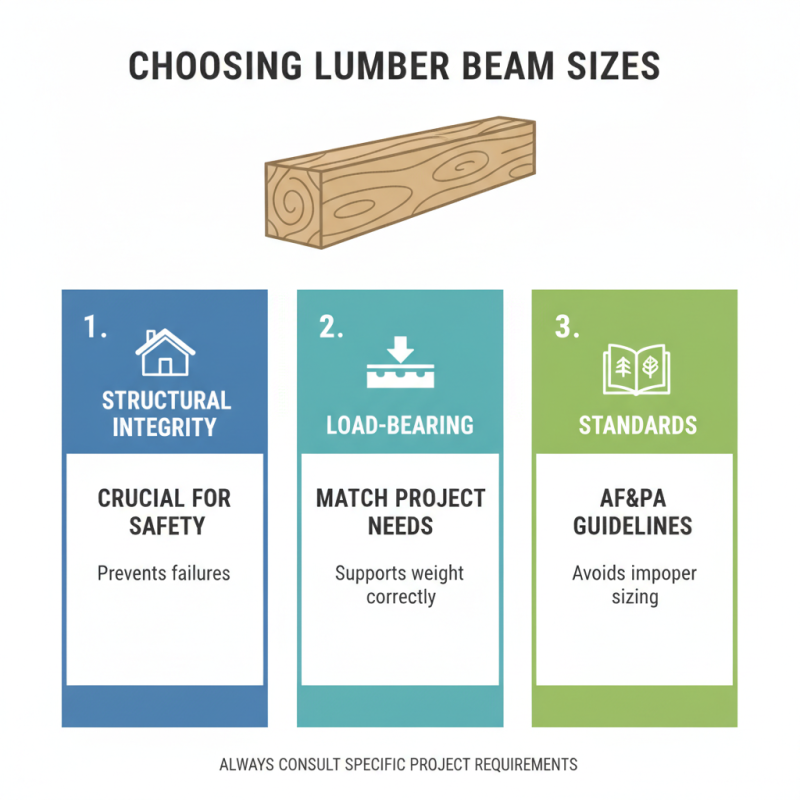
When choosing lumber beams for construction, size is crucial. Understanding the right dimensions ensures structural integrity and safety. According to the American Forest & Paper Association, improper beam sizing can lead to failures in load-bearing scenarios. Always consider your project's specific needs.
For example, a common mistake is underestimating the load a beam must carry. A beam that’s too small can cause sagging or even collapse. The International Code Council recommends consulting load tables based on beam material and size. Knowing the weight your beams will support is essential.
**Tips:** Measure carefully. A beam's size should be based on both span and load requirements. Use tools like span calculators to determine dimensions.
Lumber beam sizes often come in standardized dimensions. But variations exist based on local suppliers. Quality also varies, impacting durability. It’s advisable to verify the material grades before committing. A higher grade generally ensures better strength, though they come at a premium cost.
Sustainable Sourcing: Eco-Friendly Lumber Beam Options
Choosing eco-friendly lumber beams can significantly impact construction projects. Sustainable sourcing not only supports local economies but also helps maintain forest ecosystems. Using wood from certified forests ensures that the lumber beams are harvested responsibly.
Reclaimed wood is one impressive option. It reduces waste and often adds unique character to building designs. However, sourcing reclaimed wood can be time-consuming. You may not always find the exact dimensions you need. Engineered wood products, such as cross-laminated timber, are another sustainable alternative. They can use less prime timber and still provide strength.
It's essential to research sourcing practices and certifications carefully. Not all suppliers prioritize sustainability equally. Some may claim eco-friendliness without genuine practices behind it. Ask questions and verify their sources. Engaging with knowledgeable professionals can help you make informed decisions about lumber variety and sustainability.
Top Types of Lumber Beams for Your Construction Projects