Top 10 Ceiling Bamboo Panels for Sustainable Home Décor?
As the demand for sustainable home décor increases, ceiling bamboo panels are gaining popularity. According to a recent report by the International Bamboo and Rattan Organisation, bamboo is one of the fastest-growing plants on Earth. It’s noted that some species can grow up to 91 cm in a single day. This rapid growth makes bamboo a highly renewable resource, ideal for environmentally conscious consumers.
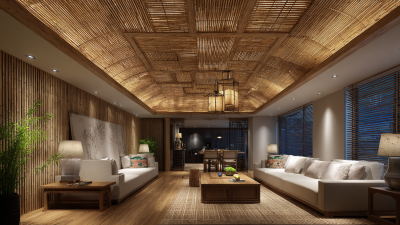
Ceiling bamboo panels offer not just sustainability but also aesthetic appeal. They add warmth and texture to spaces while being lightweight and durable. Data shows that the use of bamboo in interiors can reduce carbon footprints compared to traditional materials. Bamboo captures carbon dioxide as it grows and requires less water than many hardwoods. This emphasizes bamboo's role in tackling climate issues.
However, not all bamboo products are created equal. The manufacturing process can impact sustainability. Some producers may use harmful chemicals or unsustainable harvesting methods. It's essential to choose certified products, ensuring they meet environmental standards. This dilemma underscores the necessity for informed consumer choices in sustainable design.
Understanding Bamboo as a Sustainable Material for Ceiling Panels
Bamboo is increasingly recognized as a sustainable material for ceiling panels. It grows rapidly, reaching maturity in just a few years. This fast growth rate makes bamboo an eco-friendly choice. Unlike hardwood trees, which take decades to mature, bamboo can be harvested sustainably. This minimizes deforestation and preserves natural habitats.
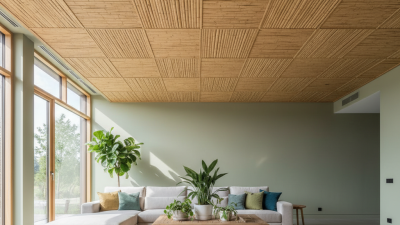
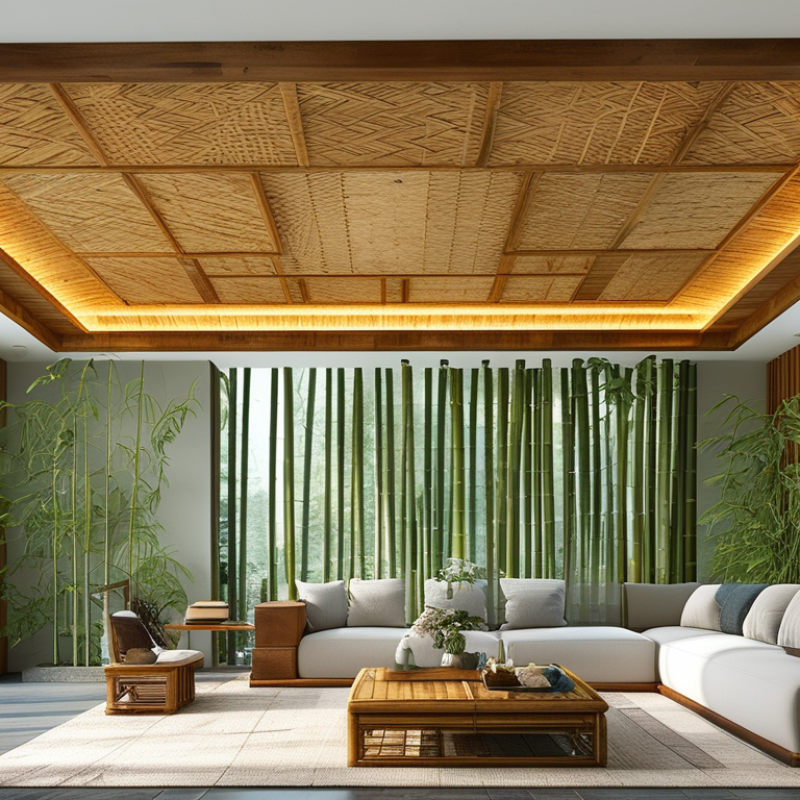
Using bamboo for ceiling panels also offers aesthetic appeal. Its natural grain and color add warmth to any space. Bamboo panels can be incorporated into various design styles, from modern to rustic. However, the quality of bamboo can vary. It’s essential to choose high-quality options to ensure durability and performance. Not all bamboo products are created equal, which can lead to disappointment if you don't do thorough research.
Furthermore, bamboo is naturally resistant to moisture and insects. This makes it ideal for areas prone to humidity. However, proper installation and maintenance are crucial for longevity. Care must be taken to prevent warping or cracking over time. It’s a beautiful material, but it requires attention to detail. Understanding both the benefits and potential drawbacks of bamboo can lead to satisfying results in sustainable home décor.
Key Benefits of Using Bamboo Panels in Home Décor
Bamboo panels offer a unique blend of style and sustainability for home décor. They are lightweight yet strong, making them an excellent choice for ceilings. Bamboo's natural texture adds warmth to any room, creating a calming atmosphere. When used in interior design, they can transform spaces without overwhelming the senses.
One of the key benefits of bamboo panels is their eco-friendliness. Bamboo grows rapidly, making it a renewable resource. This characteristic helps reduce deforestation. Unlike traditional wood, it can regrow in just a few years. Additionally, bamboo panels typically require less energy to produce than other materials. This efficiency aligns with a sustainable lifestyle.
Bamboo also offers acoustic benefits. It absorbs sound effectively, which is valuable in busy households. However, while bamboo is durable, it can be sensitive to humidity. Proper installation is essential to avoid warping. Ultimately, integrating bamboo panels into home décor may present challenges, but their aesthetic and environmental benefits are worth considering. Exploring these options can lead to more reflective design choices.
Top Ten Ceiling Bamboo Panels: Features and Designs
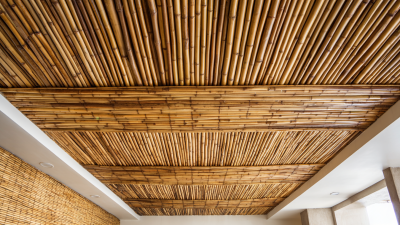
When considering bamboo panels for your ceiling, it's essential to understand their unique features and designs. Bamboo is a renewable resource. Its lightweight nature makes installation simple. Many designs showcase the wood's natural texture, providing an organic aesthetic. Textured panels can create depth in a room, adding visual interest.
Sustainable décor should also take into account durability. Bamboo panels are resistant to moisture and insects. This resistance prolongs their lifespan, making them a wise investment. The variety of finishes available allows for customization. Glossy surfaces reflect light beautifully, while matte finishes lend a soft touch.
While bamboo panels offer numerous benefits, there are limitations. Some panels may warp in high humidity areas. Understanding the environment is crucial when choosing. Not every design suits every space. Careful consideration ensures that your choice complements your home’s style. Ultimately, bamboo panels can enhance your décor in meaningful ways.
Installation and Maintenance Tips for Bamboo Ceiling Panels
Bamboo ceiling panels are an excellent choice for a sustainable home décor. Installing them requires careful planning for best results. Measure your ceiling accurately before purchasing. This helps in buying the right amount of material. Cutting bamboo panels can be tricky. Use a fine-toothed saw for clean edges. Take your time with the cuts. If not done correctly, this leads to visible imperfections.
When it comes to installation, ensuring the right adhesive is crucial. A strong glue or nails specifically for bamboo can provide long-lasting hold. It’s easy to overlook the space required for expansion. Bamboo expands and contracts with changes in humidity. Leave small gaps around the edges for this. After installation, maintaining bamboo panels is essential. Regular dusting keeps them looking fresh. However, avoid using harsh chemicals. Simple soap and water work well. Bamboo can be sensitive to excess moisture, leading to warping over time.
Consider acclimating the bamboo panels before installation. This can prevent unexpected issues later. Even with proper installation, some panels might not fit perfectly due to ceiling irregularities. This requires adjustment and can be frustrating. Embrace the process and be prepared for small imperfections. They add character and tell a story about the space.
Comparing Bamboo Panels to Other Sustainable Ceiling Options
Bamboo panels are gaining traction as a choice for sustainable ceilings. Their appeal lies in bamboo's rapid growth rate. It can be harvested in three to five years, significantly quicker than traditional hardwood trees, which take decades to mature. According to the World Wildlife Fund, bamboo can produce 35% more oxygen than a similar area of trees. This data underscores its environmental benefits.
In contrast, other sustainable ceiling options include reclaimed wood and cork. Reclaimed wood often requires more processing, which can increase its carbon footprint. On the other hand, cork is harvested from the cork oak tree without cutting it down. However, the harvesting process can be labor-intensive and less efficient than bamboo.
While bamboo has its advantages, sourcing practices matter. Not all bamboo is cultivated sustainably. Some may involve harmful pesticides or unethical labor conditions. Consumers must consider these factors critically. Research by the Forest Stewardship Council indicates that certified bamboo products can mitigate these risks. Choosing certified bamboo ensures a commitment to sustainability and ethical practices.