What is Poplar Plywood and Why is it Popular Worldwide?
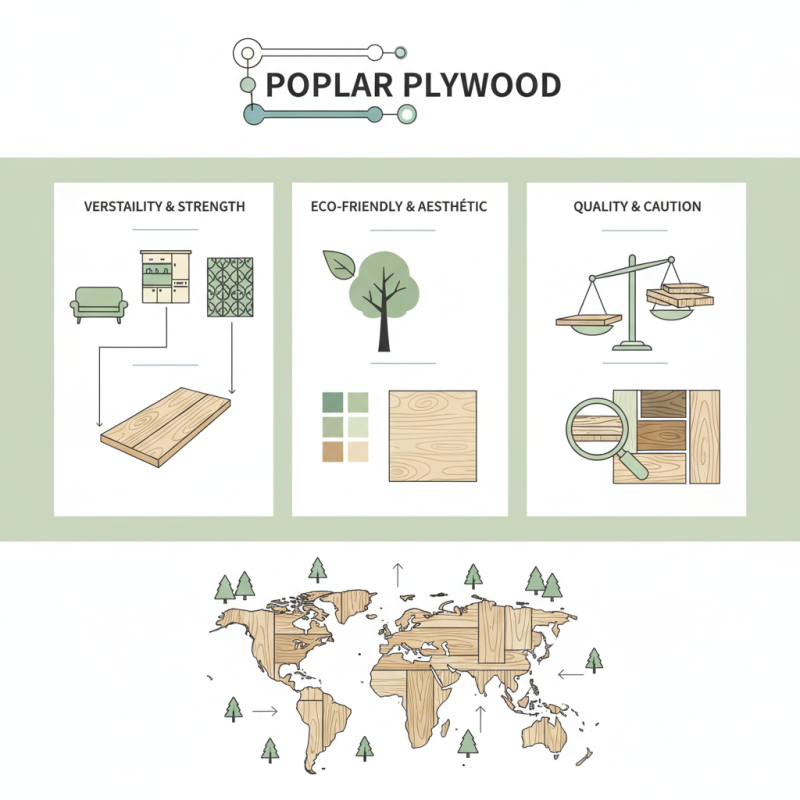
Poplar Plywood is a versatile material gaining global recognition for its quality and aesthetic appeal. John Matthews, an industry expert with over 20 years of experience, states, “Poplar Plywood strikes a perfect balance between strength and weight.” This makes it an ideal choice for furniture, cabinetry, and decorative projects.
In recent years, Poplar Plywood has surged in popularity due to its eco-friendly properties. It is sourced from sustainable forests, making it a smart choice for environmentally conscious consumers. The light color and smooth texture also allow for easy finishing, giving designers flexibility in their projects.
However, not all Poplar Plywood is created equal. Consumers must be cautious when selecting products and consider factors like thickness and grade. While its affordability is appealing, the market can be flooded with lower-quality options. This reality invites reflection on sourcing practices and the importance of reliability in material selection.
What is Poplar Plywood?
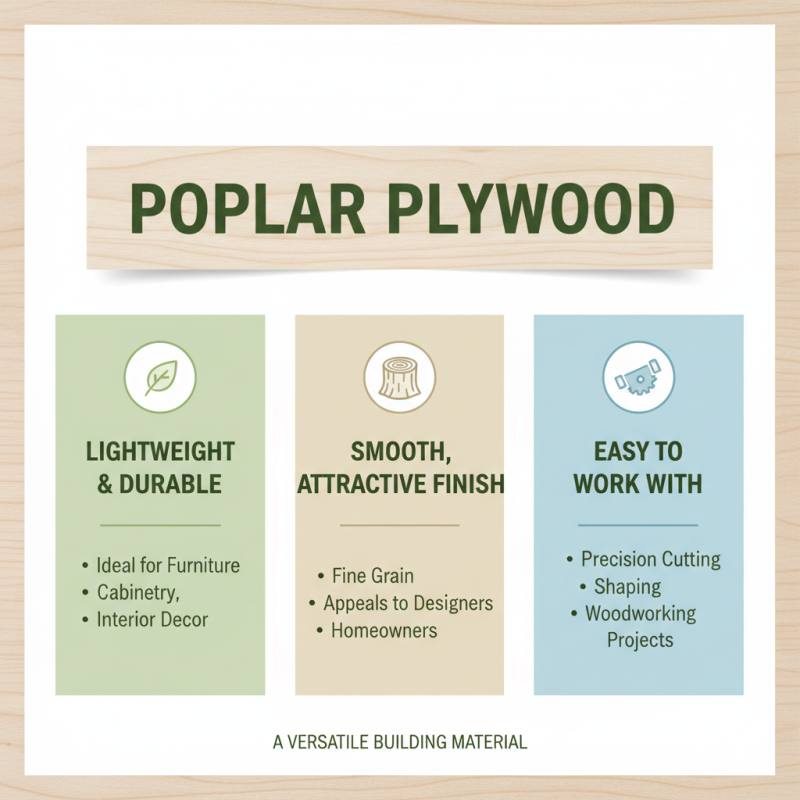
Poplar plywood is a popular building material made from the poplar tree. It is lightweight and durable, making it an ideal choice for furniture, cabinetry, and interior decor. The fine grain of poplar gives it a smooth, attractive finish, appealing to both designers and homeowners. Its easy-to-work nature allows for precision in cutting and shaping, which is essential for any woodworking project.
One notable characteristic of poplar plywood is its versatility. It can be stained or painted easily, adapting to various aesthetics. However, poplar does have some drawbacks. It is softer than many hardwoods, making it susceptible to scratches and dents. This can be a concern for high-traffic areas. Additionally, while poplar plywood is cost-effective, it might not always provide the same strong durability as hardwood alternatives. These factors can lead to challenges in certain applications.
Despite its flaws, poplar plywood remains a reliable choice for many. Its balance of quality and affordability continues to attract builders and craftsmen worldwide. The material's unique properties offer a canvas for creativity, allowing endless design possibilities while posing considerations for durability and maintenance.
Key Characteristics of Poplar Plywood
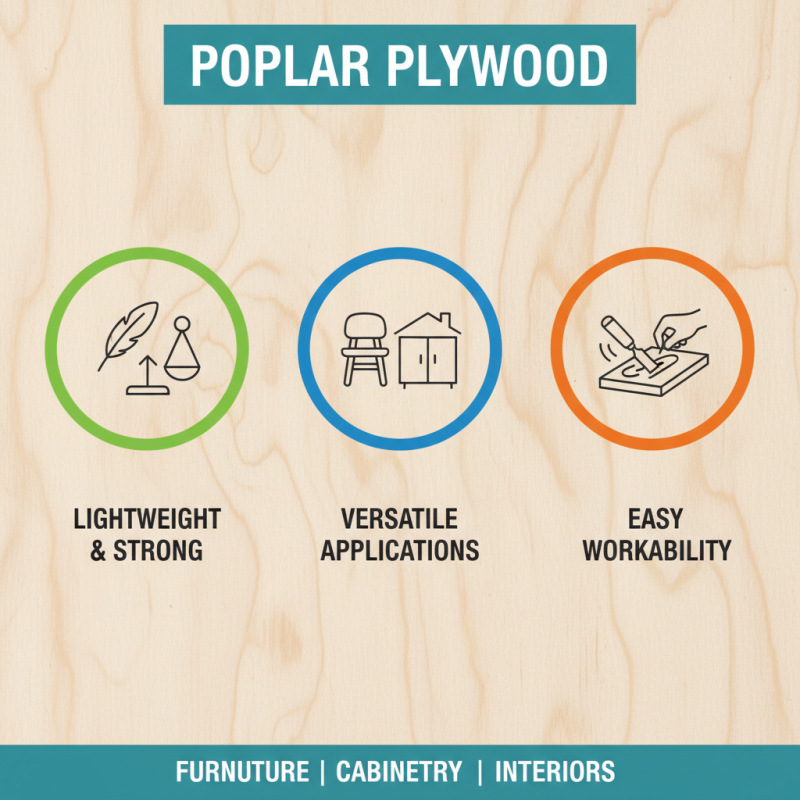
Poplar plywood has gained recognition for its unique characteristics. It is lightweight yet strong, making it an excellent choice for various applications. Builders and designers often prefer it for furniture, cabinetry, and interior projects. Its easy workability allows for intricate designs and smooth finishes.
Another appealing feature is its uniform grain. Poplar plywood has a consistent texture, which is perfect for painting and veneering. This gives designers flexibility when creating visually appealing surfaces. However, it may not be as durable as other hardwood options, which makes it less ideal for outdoor use. Buyers should consider this aspect when selecting materials.
Poplar plywood is also eco-friendly. Its rapid growth makes it a sustainable choice, contributing to positive environmental practices. Still, it's essential to ensure sourcing from responsible suppliers. This can help avoid issues related to deforestation. Understanding these nuances can aid in making informed decisions.
Applications of Poplar Plywood in Various Industries
Poplar plywood is becoming a prominent material in various industries due to its unique properties. This type of plywood is lightweight yet strong. Its smooth surface makes it ideal for furniture making and interior applications. Designers appreciate poplar plywood for its versatility and aesthetic appeal. It can be easily painted or stained, attracting both manufacturers and consumers.
In construction, poplar plywood is used for formwork in concrete structures. It provides a reliable support system while being easy to handle. Additionally, poplar plywood finds applications in the automotive industry. Car manufacturers use it for interior panels due to its excellent acoustic properties. This contributes to a quieter ride for drivers and passengers.
While poplar plywood is popular, it does have limitations. It may not hold up against moisture as well as other types of wood. This can be a concern for specific applications, especially in damp environments. Additionally, its softer texture means it can be more prone to scratches or dents. Users need to consider these factors carefully when selecting materials for their projects.
Reasons for the Popularity of Poplar Plywood Worldwide
Poplar plywood has gained significant traction in various industries. Its lightweight nature makes it easy to handle and transport. This quality benefits furniture makers who require portability and efficiency. Additionally, poplar plywood has a smooth surface, making it perfect for painting and finishing.
The versatility of poplar plywood contributes to its popularity. It can be used in cabinetry, crafting, and construction. This adaptability allows designers to explore endless creative possibilities. However, the durability may sometimes be questioned, especially in high-stress applications. Some users have found it susceptible to warping under moisture.
Sustainability plays a crucial role in its rise. Poplar trees grow quickly and are abundant in many regions. This rapid growth makes poplar plywood an eco-friendly choice. While it’s generally affordable, the long-term performance in specific environments might require careful consideration. Balancing cost with functionality is essential for users.
Comparing Poplar Plywood with Other Types of Plywood
Poplar plywood is gaining attention for its versatility and aesthetic appeal. When compared to other types of plywood, it stands out due to its lightweight nature and smooth texture. This makes it an excellent choice for furniture and cabinetry. Unlike hardwood plywood, poplar is more affordable yet still offers decent durability. Many builders appreciate its ease of workability.
On the other hand, while poplar plywood is attractive, it may lack the strength of birch or oak plywood. Birch plywood, for instance, is renowned for its robustness and resistance to wear. Oak plywood is often chosen for its unique grain patterns. These options can serve specific needs better than poplar in some cases. It's crucial to weigh durability against cost and aesthetics when making a choice.
In use, poplar plywood can sometimes show imperfections. Knots and variations in color may arise, which can be both a blessing and a challenge for designers. Such details may influence the overall look of a project. While poplar offers benefits, it’s not always the best pick for every application. Proper consideration is necessary to ensure the desired results.
Comparative Strengths of Different Plywood Types