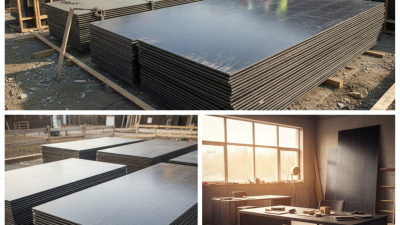
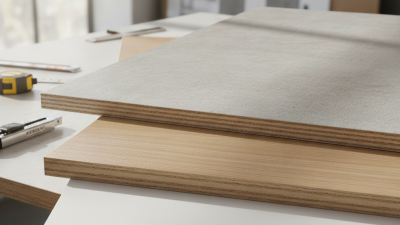
Essential Tips for Sourcing Quality Film Faced Plywood?
When it comes to construction and design, sourcing quality materials is essential. Film Faced Plywood stands out as a popular choice for many projects. Its durability and water-resistant properties make it ideal for concrete formwork and furniture. However, not all Film Faced Plywood is created equal. Understanding the grading system and material sources can be challenging.
Choosing the right supplier is critical. Look for companies with a solid reputation and positive customer feedback. They should provide comprehensive product information, including thickness and veneer quality. Be wary of options that seem too good to be true. Sometimes lower prices indicate inferior quality.
Inspect samples before placing bulk orders. Pay attention to the finish and core quality. It's important to balance affordability with durability. Make informed decisions based on thorough research and expert advice. This approach will ensure that your projects stand the test of time while also reflecting your commitment to quality.
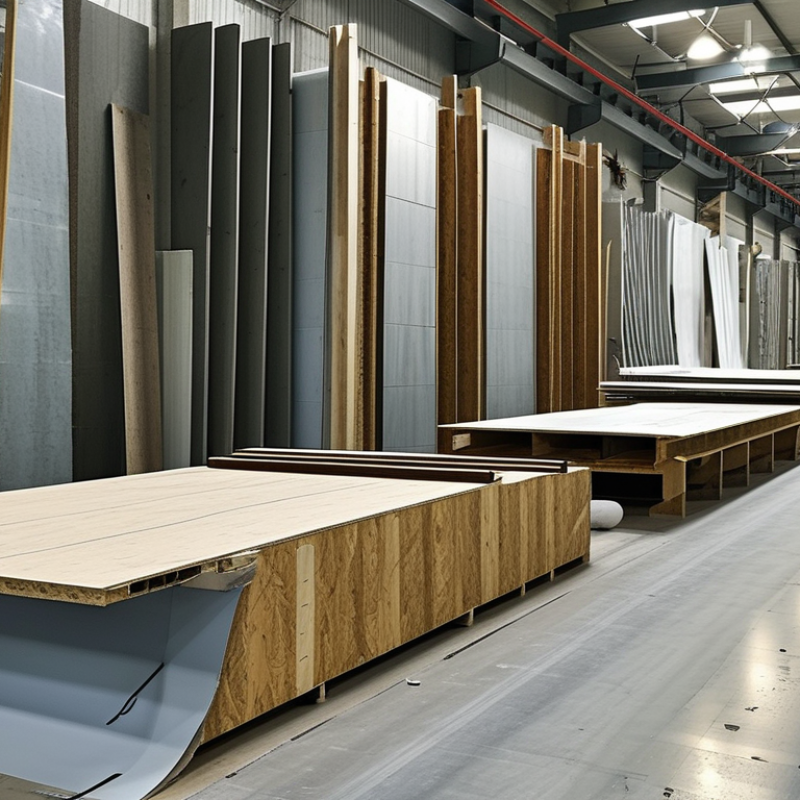
Understanding Film Faced Plywood and Its Applications
Film faced plywood is a versatile material widely used in construction and furniture making. It consists of plywood sheets coated with a phenolic film, which enhances their durability and moisture resistance. This type of plywood is especially effective for formwork, scaffolding, and other applications where strength and surface quality are critical. According to a recent industry report, the demand for film faced plywood is projected to grow at a CAGR of 5.5% from 2021 to 2026, highlighting its increasing importance.
When sourcing quality film faced plywood, consider the following tips. Ensure that the plywood has a uniform thickness and an even, intact film layer. Examine the glue quality used in the plywood, as it influences water resistance and durability. It's crucial to check for certifications that meet international quality standards. Poorly manufactured panels may warp or delaminate under pressure, leading to additional costs. Ultimately, the choice of quality material affects the longevity of your projects.
Understanding the various applications of film faced plywood is essential. It is preferred for creating concrete molds due to its smooth surface. In addition, many industries utilize it for temporary structures, making its sourcing critical. Manufacturers are continuously researching to improve the quality and performance of this material. Keeping updated with industry trends will help you make informed sourcing decisions.
Essential Tips for Sourcing Quality Film Faced Plywood
| Dimension |
Grade |
Core Material |
Application |
Thickness (mm) |
Weight (kg/m²) |
| 1220 x 2440 |
BB/CC |
Poplar |
Construction, Formwork |
18 |
10.5 |
| 1250 x 2500 |
AA |
Birch |
Furniture, Interior |
15 |
9.0 |
| 1200 x 2400 |
BB |
Marine Plywood |
Shipbuilding, Outdoor |
12 |
8.0 |
| 1250 x 2500 |
CC |
Mix Wood |
Flooring, Fencing |
22 |
12.0 |
| 1000 x 2000 |
A/B |
Hardwood |
Cabinets, Shelving |
25 |
14.5 |
Identifying Quality Indicators in Film Faced Plywood
When sourcing quality film faced plywood, recognizing its key indicators is essential. Look for smooth surfaces. Quality film faced plywood should have a consistent finish. Any irregularities may suggest inferior materials. A well-laminated surface reflects better resistance to moisture and wear. Examine the edges—any splinters or uneven cuts can indicate poor manufacturing.
Another significant quality indicator is the thickness of the film layer. Typically, thicker films provide enhanced durability. Test the film’s adhesion to the plywood by lightly scratching it. A resilient layer will resist peeling and show minimal damage. The core material's quality also plays a role. Higher-grade plywood should exhibit fewer voids and defects within the layers.
Consider the overall weight of the plywood. Quality film faced plywood tends to be heavier due to denser materials used in production. However, be mindful of overemphasis on weight, as it can sometimes mislead. Understanding the balance between weight and construction integrity is crucial. Examining the certifications and compliance with industry standards can also provide reassurance about quality.
Evaluating Suppliers: Questions to Ask Before Purchasing
When sourcing film faced plywood, evaluating suppliers is crucial. Begin by asking about their production processes. Do they follow international quality standards? It's essential to know if they employ rigorous quality control measures. The International Organization for Standardization (ISO) sets standards that can significantly impact durability and performance.
Inquire about the types of adhesives used. Some adhesives can release harmful chemicals over time. Research shows that formaldehyde-free adhesives are becoming the norm in the industry. Suppliers should provide certification for the materials used. Request transparency regarding sourcing methods. A report from the Forest Stewardship Council indicates that sustainable sourcing is not just a trend; it's increasingly demanded by consumers.
Finally, understand the supplier's delivery capabilities. Delays can impact your project timeline. Reliable suppliers often have backup plans in place. Ask how they handle unexpected disruptions. This inquiry can reveal their resilience and commitment to customer service. Such assessments ensure you partner with a supplier who prioritizes your needs while adhering to quality standards.
Cost Considerations: Balancing Quality and Budget
When sourcing film faced plywood, cost plays a crucial role. A balance between quality and budget is essential. Recent industry reports indicate that high-quality film faced plywood can cost between $25 and $50 per sheet. Lower-quality options may seem attractive, but they often lead to increased repair and replacement costs later. Choosing wisely at the start can save you money overall.
Quality affects longevity and performance. A report from the Plywood Association shows that plywood with a higher grade film has better durability and resistance to moisture. For example, using quality plywood can reduce project failures by up to 30%. However, budget constraints sometimes lead to compromises that can be regrettable in the long run.
Investing a bit more upfront can reduce overall costs. It’s tempting to choose the cheapest option, yet poorly made products often require more maintenance and worsen project timelines. Reflect on the total cost of ownership rather than just the initial purchase price. Perhaps it’s time to reevaluate what ‘affordable’ really means in your projects.
Sourcing Strategies: Where to Find Reliable Film Faced Plywood
When sourcing quality film faced plywood, it’s essential to identify reliable suppliers. Many manufacturers are concentrating on sustainable sourcing. Reports indicate that approximately 70% of consumers prefer products that have environmental certifications. This trend pushes producers to maintain high standards.
Exhibitions and trade shows are effective venues for sourcing plywood. Attending these events allows direct interaction with potential suppliers. According to recent industry statistics, about 55% of buyers successfully engage with new vendors during such events. Websites and online platforms also serve as a resource. Reviews and ratings can provide insights into supplier reliability. However, it’s vital to verify these reviews.
While exploring suppliers, consider their certifications and quality assurance processes. A supplier's lack of transparency may raise concerns. Approximately 40% of buyers faced issues due to undisclosed sourcing practices. In an industry focused on quality, having detailed documentation from a supplier is crucial. Engaging with suppliers who provide this can lead to better partnerships.