Why Choose Plywood Laminated Board for Your Next Project?
When it comes to building materials, choosing the right option is crucial. Plywood Laminated Board stands out in various applications. The global plywood market is projected to reach $80 billion by 2027, as per industry reports. This growth signifies the increasing demand for durable and flexible materials.
Plywood Laminated Board offers unique attributes that make it ideal for many projects. Its layered construction enhances strength while maintaining a low weight. Research indicates that it performs well in terms of moisture resistance and dimensional stability. These factors contribute to its popularity among builders and designers.
However, opting for Plywood Laminated Board isn't without challenges. Quality can vary significantly between manufacturers. This variability can impact your project's outcome. Proper selection and testing are essential to ensure longevity and performance. Making mindful choices can lead to successful projects that stand the test of time.
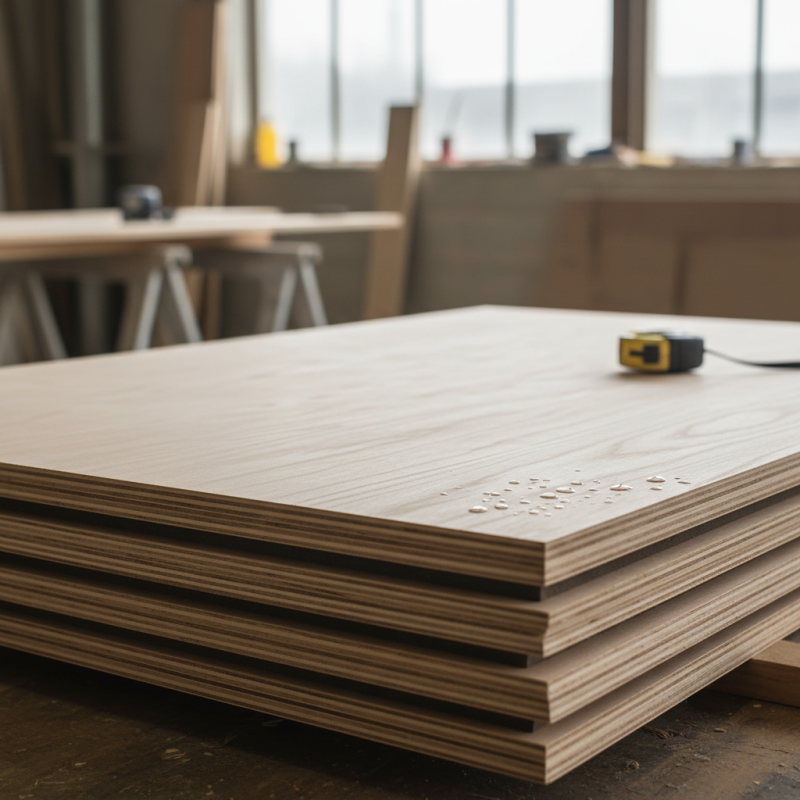
Benefits of Using Plywood Laminated Board in Construction Projects
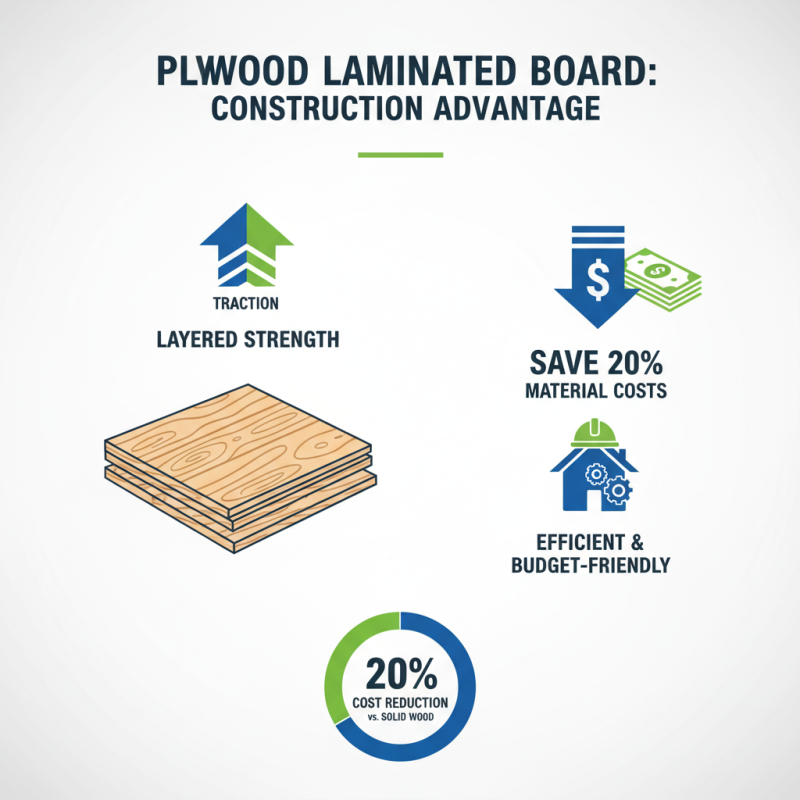
Plywood laminated board is gaining traction in construction projects. Its layered structure offers impressive strength and stability. According to a recent industry report, the use of plywood can reduce material costs by up to 20% compared to traditional solid wood options. This efficiency in material usage is appealing to builders looking to stay on budget.
Another significant benefit is sustainability. Plywood laminated boards are often made from fast-growing wood species. This approach minimizes deforestation impacts. Reports suggest that using plywood instead of solid wood could save up to 70% in wood resources. This statistic raises questions about our reliance on traditional materials, pushing for a reevaluation of best practices in construction.
However, there are considerations to keep in mind. While plywood laminated boards are durable, they can be susceptible to moisture damage if not properly sealed. Projects exposed to severe weather should assess this risk carefully. Balancing cost-efficiency with long-term performance is crucial. It might be wise to consult design experts before making final decisions.
Comparative Analysis: Plywood Laminated Board vs. Other Materials
When considering materials for construction or crafting,
plywood laminated board stands out.
It offers durability and versatility.
Compared to solid wood, plywood laminated board is less prone to warping or cracking.
This material excels in resisting moisture, making it ideal for humid environments.
In contrast, MDF is often denser but can sag over time, especially under weight.
Tips: Always measure your space accurately.
This helps to avoid costly mistakes.
When using plywood laminated board, remember to finish edges to enhance durability.
Plywood laminated boards have a unique aesthetic.
Their layered look adds depth.
However, they tend not to have the same warmth as solid wood.
When working with this material, be mindful of potential splinters.
A light sanding can help smooth rough edges.
Choosing between plywood laminated board and other materials ultimately hinges on your project needs.
Each material has its strengths and drawbacks.
Identify your priorities to make an informed decision.
Consider long-term usage and maintenance as well.
Durability and Strength: Why Plywood Laminated Board Excels
When considering materials for your next project, plywood laminated boards stand out for their durability and strength. These boards consist of several layers of wood veneer, bonded together under heat and pressure. This process gives them increased stability and resistance to warping. They can handle heavy loads, making them suitable for furniture, cabinetry, and flooring.
Plywood laminated boards excel in moisture resistance too. They can thrive in humid environments where other materials might falter. However, it's crucial to ensure proper sealing and maintenance to prevent water damage. In some cases, the boards may not meet specific aesthetic requirements without added finishes. This could lead to extra steps and labor in the finishing process. Yet, many find the adaptability of these boards to be worth the effort.
They are not without their limitations. If not sourced correctly, the quality can vary significantly. It's important to research and inspect products before committing. Despite these points, plywood laminated boards offer exceptional value due to their durability and versatility. They remain a preferred choice for many builders and craftsmen.
Why Choose Plywood Laminated Board for Your Next Project?
| Feature |
Description |
Benefit |
| Durability |
Resistant to warping and cracking, even when exposed to moisture. |
Long-lasting materials reduce the need for replacements, saving costs in the long run. |
| Strength |
High tensile strength allows for heavy loads without deformation. |
Ideal for structures and furniture that require robust support. |
| Versatility |
Suitable for a variety of applications including furniture, cabinetry, and flooring. |
A single solution can address multiple project needs, simplifying procurement. |
| Aesthetic Appeal |
Available in different finishes and textures that imitate natural wood. |
Enhances the visual elegance of projects without the high cost of solid wood. |
Eco-Friendly Aspects of Plywood Laminated Boards
Plywood laminated boards are an excellent choice for environmentally conscious projects. They are made from layers of wood veneers. These layers are bonded together using adhesives. This process maximizes wood utilization and reduces waste. The result is a durable material that is still lightweight.
Using plywood laminated boards can significantly lower your environmental footprint. They are often sourced from sustainably managed forests. This approach helps preserve biodiversity. Additionally, the production process typically emits fewer pollutants compared to solid wood processing. Their recyclability is another bonus. When they reach the end of their life, they can often be repurposed.
Tips: Always check the source of the plywood. Look for certifications that indicate sustainable practices. Choose boards that use low-VOC adhesives for better indoor air quality. Be mindful of the types of finishes used. Eco-friendly options are available to maintain environmental integrity. Small choices can lead to significant changes.
Applications and Versatility of Plywood Laminated Boards in Design
Plywood laminated boards are gaining traction in various design applications. Their versatility makes them a preferred choice among architects and designers. According to a recent market report, the demand for laminated wood products is expected to grow by 7% annually. This rise indicates a shift towards more sustainable and efficient materials in the industry.
These boards are used in furniture, cabinetry, and flooring. They offer a unique combination of aesthetic appeal and structural integrity. For instance, their layered structure enables them to resist warping and cracking, making them ideal for high-traffic areas. However, some users have raised concerns about the consistency of quality across different manufacturers. It’s essential to consider the sourcing and production process when selecting materials.
Another aspect to consider is the environmental impact. Using plywood laminated boards can reduce deforestation when sourced responsibly. A lifecycle analysis shows that these products often have a lower carbon footprint compared to solid wood alternatives. Yet, not all laminated boards are created equal. Some may contain harmful adhesives, which can affect indoor air quality. Being informed about these factors is crucial for responsible design choices.