How to Choose the Best Laminated Birch Plywood for Your Project?
Laminated Birch Plywood is becoming increasingly popular in various industries. Its strength and durability make it ideal for furniture and cabinetry. According to a report by the Forest Products Laboratory, laminated plywood can withstand heavy loads better than traditional plywood. This essential characteristic offers value in construction and design projects.
Expert Roger McKenzie, a respected figure in the plywood industry, highlights, “The choice of material directly impacts the project's success.” His statement emphasizes the importance of selecting the right Laminated Birch Plywood. While there are many options available, not all are created equal. Some products may lack the necessary quality or certification.
When selecting Laminated Birch Plywood, consider factors such as wood grade, glue type, and thickness. It's crucial to recognize that budget constraints might lead to compromises in quality. Opting for cheaper products could jeopardize structural integrity. The materials must meet industry standards for safety and reliability.
Understanding Laminated Birch Plywood and Its Benefits
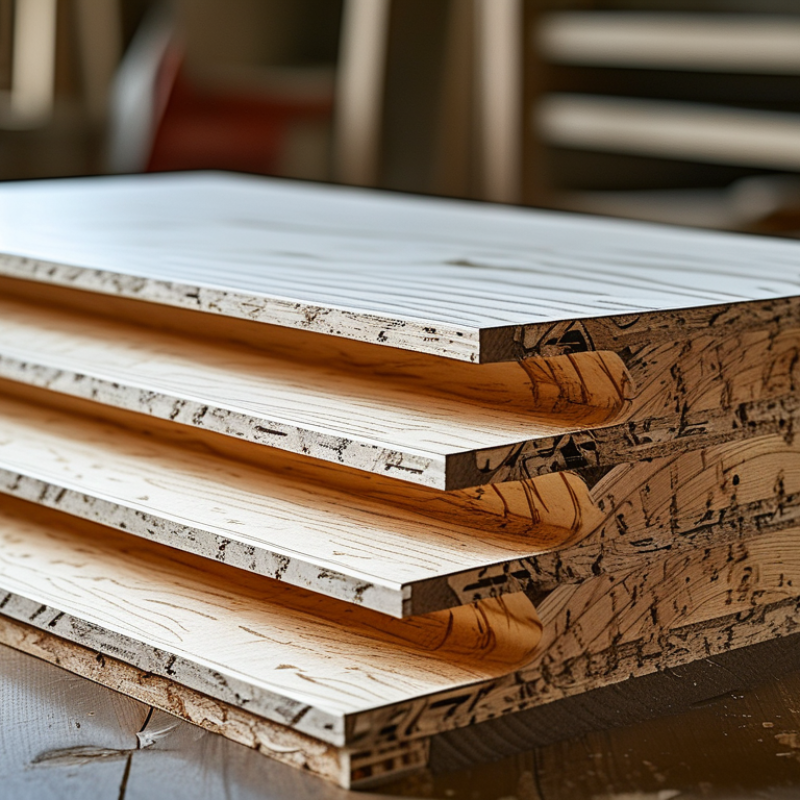
Laminated birch plywood is an excellent material for various projects. It offers strength, durability, and a beautiful finish. Its layers provide stability and resistance to warping, making it a preferred choice for furniture and cabinetry. This plywood type also boasts a fine grain, giving it an appealing aesthetic. Many craftsmen appreciate its versatility in both structural and decorative applications.
When selecting laminated birch plywood, consider thickness. Thicker plywood may offer better strength for load-bearing projects. Also, evaluate the number of layers; more layers often lead to enhanced stability. Don't underestimate the importance of the adhesive used in the laminating process. A high-quality adhesive ensures longevity and performance, especially in humid conditions.
Taking time to understand the characteristics of laminated birch plywood is crucial. Not all sheets are created equal. Look for surface imperfections which can affect the final finish. It's wise to request samples to examine color and grain. Engaging with reliable suppliers, who can guarantee quality, is fundamental. They may provide insights based on experience that will guide your decision-making process.
Identifying Your Project Requirements for Plywood Selection
When selecting the right laminated birch plywood for your project, you must identify specific requirements.
Consider the project's purpose first. Are you building furniture, cabinetry, or perhaps flooring?
Each application demands different characteristics.
For example, furniture requires durability and aesthetic appeal.
Meanwhile, flooring should be moisture-resistant and sturdy.
Next, think about the environment where the plywood will be used. Indoor projects can typically use less expensive options.
However, if the plywood will be exposed to moisture or extreme temperatures, you need high-quality materials.
The finish also matters. A smooth surface is essential for visible projects, while a rough finish might suffice in hidden areas.
Another aspect to reflect on is the thickness of the plywood. Thicker sheets provide better structural integrity
but can be heavier and more expensive. Weigh the pros and cons of each thickness against your project's requirements.
Not every choice will meet your ideal criteria, and it's important to evaluate these trade-offs critically.
Balancing quality with cost should be a priority, but remember: compromise may be necessary.
Evaluating the Quality of Laminated Birch Plywood
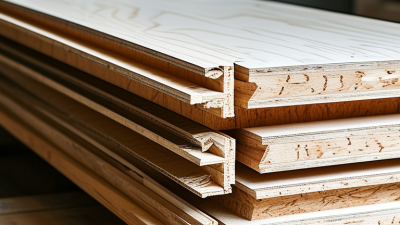
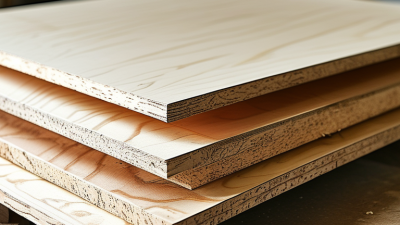
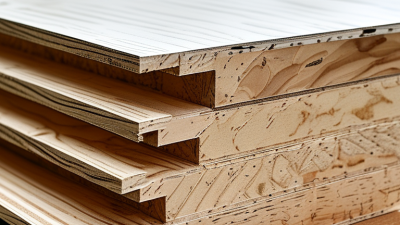
When evaluating the quality of laminated birch plywood, consider several critical aspects. First, examine the veneer layers. Quality plywood features multiple veneer sheets, bonded tightly. Thicker veneers often indicate better durability. Check for uniformity in color and grain. This consistency can be a sign of good craftsmanship. Spotting irregularities may signal inferior plywood.
Next, assess the edge banding and surface finish. Smooth surfaces should feel free of splinters or rough patches. A well-finished edge prevents chipping and enhances aesthetics. Look for products with consistent glue application. Uneven glue lines can lead to delamination over time, affecting strength.
Don’t overlook the weight and density of the plywood. Heavier sheets typically denote higher quality, as they are denser and more stable. Reflect on your project's demands. If aesthetics are crucial, you may need a higher grade, despite budget constraints. Recognizing these factors aids in making informed choices, though balancing them can be challenging. Quality over quantity often prevails, but the cost is not always an easy decision.
Comparing Different Grades and Finishes of Birch Plywood
When choosing birch plywood, understanding the different grades and finishes is crucial. Birch plywood comes in several grades, typically marked as A, B, C, and D.
Grade A is the highest quality, featuring minimal imperfections. It’s perfect for visible surfaces. Grade B usually has some small blemishes but maintains a good appearance. Grades C and D have more defects and are often used in hidden areas. Knowing these grades helps in selecting the right plywood for your specific needs.
Finishes are just as important. A smooth surface finish allows for better paint and stain adherence. If your project requires a natural look, consider a natural finish, which highlights the wood's grain. Some finishes may add durability but can alter the color. It’s essential to test samples before committing, as some finishes may not perform as expected on different plywood grades. Reflecting on these choices can prevent mistakes in your project. Selecting the wrong grade or finish may lead to additional costs and time. Always weigh your options carefully to achieve the best final result.
Sourcing and Purchasing Tips for Laminated Birch Plywood
When sourcing laminated birch plywood, it’s essential to consider the quality and certifications of the material. A study by the Forest Stewardship Council indicates that certified plywood reduces environmental impact by over 30%. Look for suppliers that provide certifications, as these assure sustainable practices. Reliable sourcing can significantly affect the longevity and durability of your project.
Selecting the right thickness is equally crucial. Standard thickness ranges from 1/4 inch to 1 inch. A report from Wood Markets reveals that the demand for thicker plywood is growing due to its versatility in construction and furniture making. This suggests that thicker sheets often yield better structural integrity. Knowing your project’s requirements will help you decide on the appropriate thickness.
Price is a factor, but not the only one. According to data from the Bureau of Economic Analysis, high-quality laminated birch plywood can cost significantly more but often offers greater value in the long run. Beware of extremely low-cost options; they may compromise quality. Keeping all these aspects in mind will help you navigate the sourcing and purchasing landscape effectively.
How to Choose the Best Laminated Birch Plywood for Your Project? - Sourcing and Purchasing Tips for Laminated Birch Plywood
| Dimension (Thickness) |
Standard Sizes (Feet) |
Weight (lbs per sheet) |
Applications |
Grade |
| 1/4" |
4 x 8 |
30 |
Furniture, Cabinetry |
A-B |
| 1/2" |
4 x 8 |
50 |
Shelving, Partitions |
B-C |
| 3/4" |
4 x 8 |
70 |
Cabinets, Countertops |
A-A |
| 5/8" |
4 x 8 |
60 |
Partitions, Toolboxes |
B-B |