Best 10 Flooring Lumber Choices for Your Home Renovation?
When planning a home renovation, choosing the right flooring lumber is crucial. According to renowned flooring expert John Harrison, “The right flooring can transform a space.” Selecting quality materials will enhance both aesthetics and functionality.
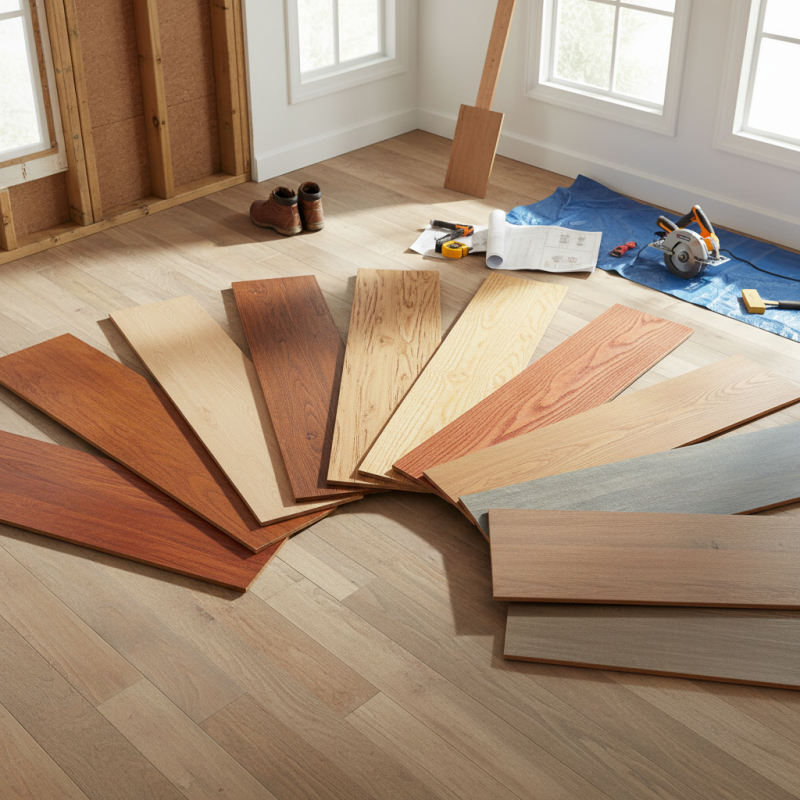
Flooring lumber comes in various types, each offering distinct benefits. For instance, hardwoods like oak and maple are prized for their durability and timeless appeal. In contrast, softer woods, such as pine, might not hold up as well but can be more budget-friendly.
With so many options, it’s vital to consider your home's style and your lifestyle. Do you have kids or pets? Is maintenance a concern? Reflecting on your needs will guide your flooring lumber decision. Remember, there is no one-size-fits-all solution. Each choice has its merits and drawbacks, and that’s part of the journey in home renovation.
Types of Flooring Lumber: An Overview of Options
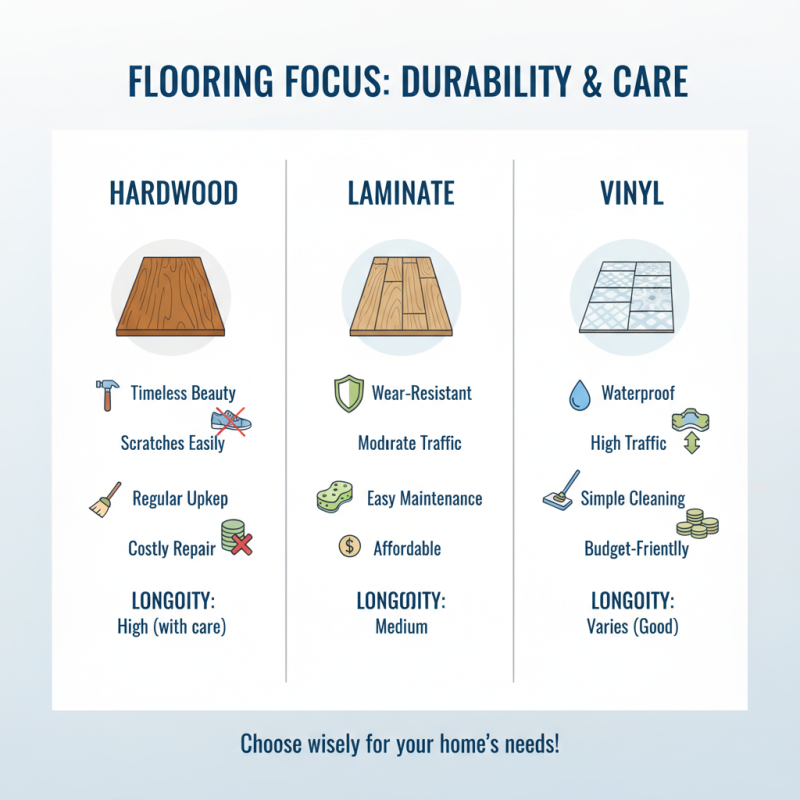
When it comes to flooring lumber, there are several options to consider. Hardwood is often favored for its durability and timeless appeal. Traditional oak or maple can complement a variety of home styles. Yet, these choices can be pricey and require regular maintenance. A well-placed scratch can be hard to ignore.
Engineered wood presents a more budget-friendly alternative. This option consists of several layers, offering stability while imitating the look of solid wood. It handles humidity better than hardwood. However, the visual difference can be noted by keen eyes.
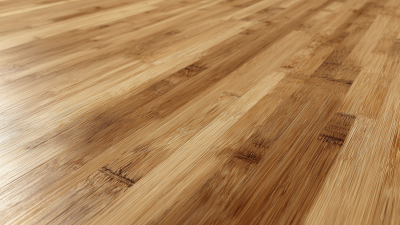
Another option is bamboo, which is sustainable and stylish, yet it can be susceptible to dents.
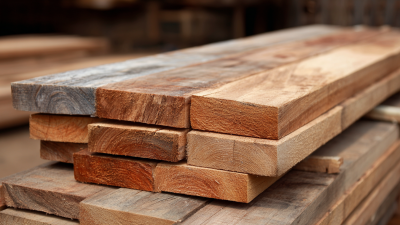
Softwood like pine might catch your interest as well. It offers a cozy, rustic feel but can wear quickly in heavy traffic areas. Each choice has its pros and cons. Careful consideration is key. Your lifestyle and aesthetic preferences will heavily impact your final decision.
Cost Comparison: Budgeting for Your Flooring Project
Choosing the right flooring for home renovation is crucial. It involves evaluating both aesthetics and costs. In a recent report by the National Wood Flooring Association, the average cost of hardwood flooring installation ranges from $6 to $12 per square foot. This can quickly add up, especially for larger spaces.
Laminate and vinyl are often more budget-friendly options. They typically cost between $1 and $5 per square foot. Installation can be simpler, reducing labor costs. However, these materials may lack the lifespan and durability of solid hardwood. Homeowners should be cautious about sacrificing quality for lower upfront costs. There's a trade-off.
When planning your flooring budget, don’t forget hidden expenses. These may include subfloor repairs or moisture barriers. According to a survey by the National Association of Home Builders, unexpected costs can exceed 20% of the initial budget. That’s a significant sum. Always set aside a buffer when estimating totals. This buffer will help avoid stress later in the project. It’s essential to reflect on these financial aspects; they can greatly impact your home's value.
Aesthetic Appeal: Choosing the Right Style for Your Home
Choosing the right flooring for your home is a vital decision. Aesthetic appeal can significantly affect how a space feels. You want your floors to reflect your style and complement your décor. Wood flooring is timeless and can suit various interior styles. Whether you prefer rustic or modern vibes, there is a lumber choice for you.
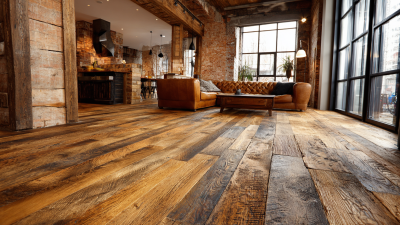
Consider the color of the wood. Darker shades can create a dramatic atmosphere, while lighter hues offer a more airy feel. The finish also matters. Matte finishes provide a sophisticated look, while glossy finishes can shine and brighten a room. Look for textures. Smooth surfaces may feel sleek, while distressed finishes add character and warmth. Each choice will influence the overall ambiance.
Think about practicality too. Certain woods dent easily, while others can withstand wear and tear. If you have pets or children, durable options might be necessary. Remember that your lifestyle should align with your choice. It’s easy to get carried away with appearances but functionality is key. Reflect on your needs and blend those with aesthetic desires. It's all about finding the perfect balance for your space.
Best 10 Flooring Lumber Choices for Your Home Renovation
| Lumber Type |
Aesthetic Appeal |
Durability |
Price Range (per sq ft) |
Maintenance Level |
| Oak |
Classic, rich grain |
High |
$5 - $8 |
Moderate |
| Maple |
Light, smooth appearance |
High |
$4 - $7 |
Low |
| Cherry |
Warm tones, elegant |
Moderate |
$6 - $9 |
Moderate |
| Walnut |
Luxurious, dark hues |
High |
$8 - $12 |
High |
| Pine |
Rustic, light look |
Low to Moderate |
$2 - $5 |
Low |
| Teak |
Exotic, rich colors |
Very High |
$10 - $15 |
Moderate |
| Cedar |
Unique, aromatic |
Moderate |
$4 - $8 |
Low |
| Ash |
Light, contemporary |
High |
$5 - $9 |
Moderate |
| Hickory |
Strong, distinctive grain |
Very High |
$6 - $10 |
Moderate |
| Birch |
Clean, smooth surface |
Moderate |
$3 - $6 |
Low |
Installation Considerations: DIY vs. Professional Help
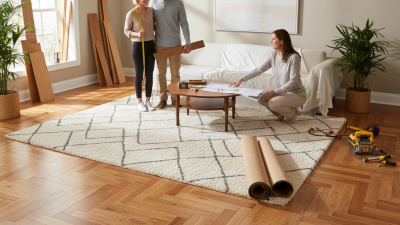
When it comes to flooring installation, the choice between DIY and hiring a professional can be tricky. Many homeowners dream of saving money by doing it themselves. This option can lead to a sense of accomplishment and can be cost-effective. But it comes with risks. If you're not experienced, mistakes can be costly. You might end up with uneven floors or poor finishes. Researching proper techniques is essential, yet often overlooked.
Professionals bring valuable expertise to the table. They understand the nuances of different materials and techniques. This knowledge can make a significant difference in the final look and longevity of the flooring. Hiring someone might seem expensive, but it's often worth it. Consider the peace of mind that comes with knowing the job is done right. Do you have the time and patience for a DIY project? Remember, not everyone is cut out for hands-on work.
Inadequate preparation can derail your plans. If you rush into DIY without proper tools or skills, it may lead to frustration. Evaluate your situation carefully. Are you willing to invest time in learning? Or would you rather pay for a hassle-free experience? Recognizing your limitations can save you from future headaches. Each choice has its benefits and drawbacks; weigh them thoughtfully before making a decision.