The Ultimate Guide to Understanding Osb Structural Beams for Your Next Building Project
In recent years, the construction industry has witnessed a significant shift towards innovative materials that enhance structural integrity while promoting sustainability. Among these, OSB structural beams have gained prominence due to their strength, versatility, and cost-effectiveness. According to a report by the Engineered Wood Association, OSB wood products are now used in over 50% of residential framing applications, illustrating their growing acceptance among builders and architects alike. The consistent performance of OSB structural beams under varying loads and conditions makes them an ideal choice for a range of building projects. In this guide, we will explore the essential aspects of OSB structural beams, from their manufacturing process to installation techniques, providing you with the knowledge needed to make informed decisions for your next construction endeavor.
What are OSB Structural Beams and Why They Matter in Construction
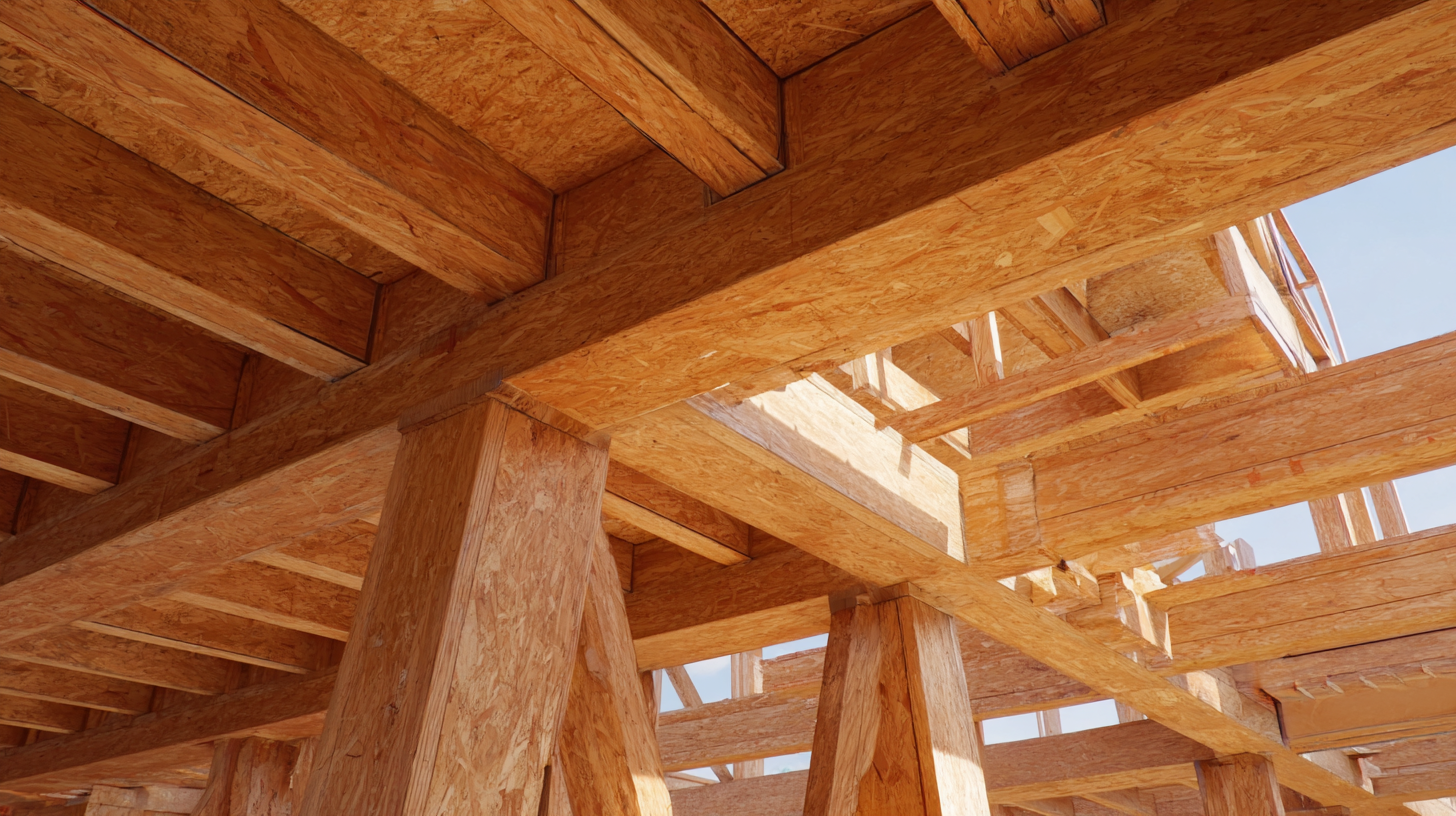
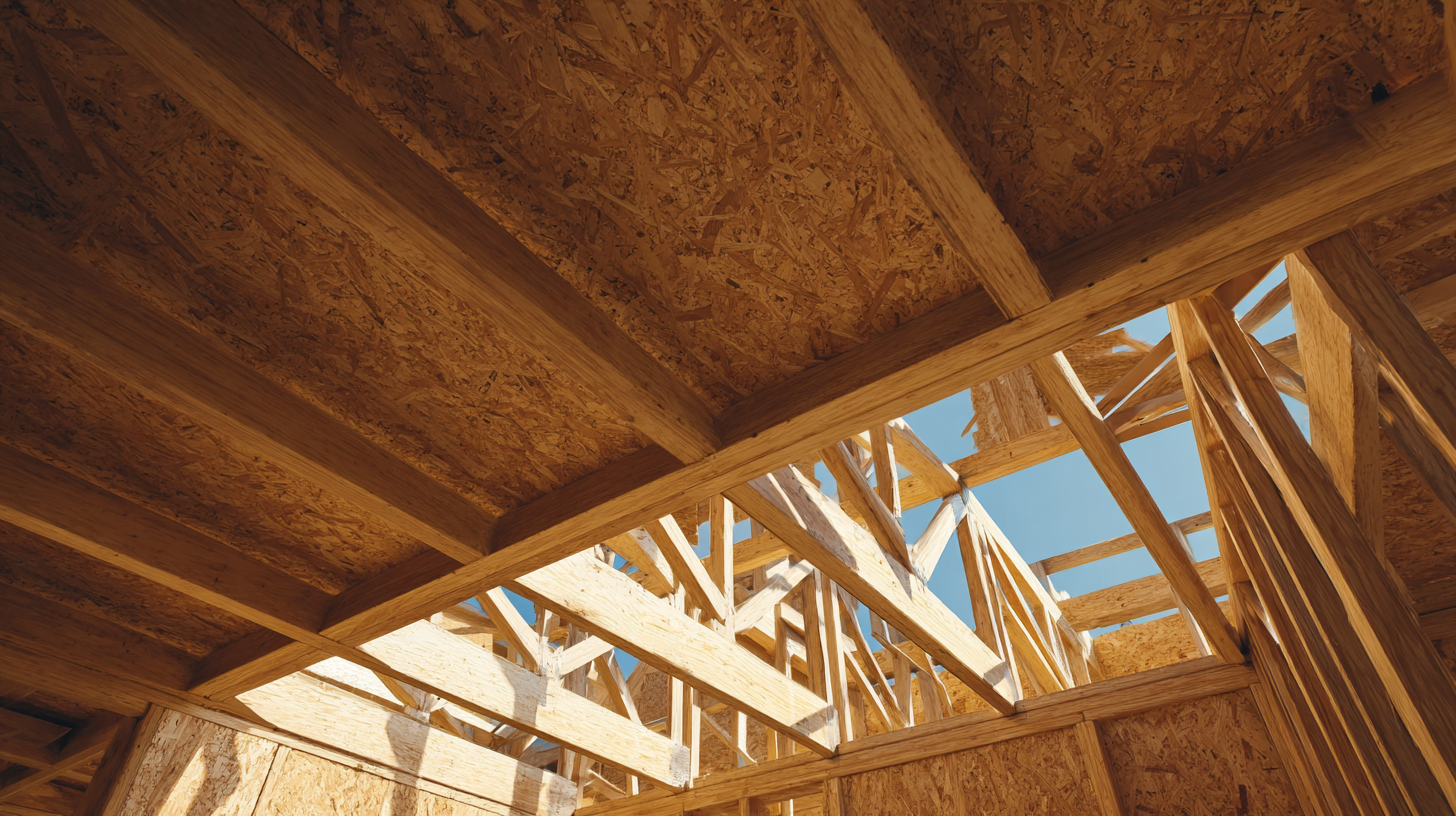
Oriented Strand Board (OSB) structural beams have gained prominence in the construction industry due to their efficiency and strength. Made from strands of wood that are oriented in specific directions and bonded together with adhesives, OSB beams provide an engineered solution that helps maintain structural integrity while being cost-effective. According to a report by the Engineered Wood Association, OSB can be used to replace traditional lumber in many applications, resulting in lower costs and reduced waste without compromising quality.
The importance of OSB beams in construction cannot be overstated. They are particularly favored for their versatility in residential and commercial building projects. Data from the American Forest & Paper Association indicates that OSB production in the U.S. has exceeded 30 billion square feet annually, reflecting a growing confidence among builders and architects in this material. Moreover, OSB’s ability to withstand varying loads and its performance in moisture management makes it an ideal choice for today’s dynamic building environments, ensuring that projects not only meet but exceed performance expectations.
5 Key Benefits of Using OSB Beams in Your Building Project
When embarking on a building project, choosing the right materials is crucial for structural integrity and efficiency. OSB (Oriented Strand Board) beams are gaining popularity due to their remarkable benefits. One key advantage of using OSB beams is their cost-effectiveness. Compared to traditional wood beams, OSB beams are typically more affordable and can help reduce overall project expenses without compromising on quality or strength.
Another significant benefit is their environmental friendliness. OSB is made from fast-growing trees and utilizes wood waste efficiently, making it a sustainable choice for eco-conscious builders. Additionally, OSB beams offer excellent load-bearing capabilities and versatility, allowing them to be utilized in various construction applications. Their consistent density and uniformity enhance performance, making them a reliable option for both residential and commercial structures. With these key benefits, OSB beams are a strategic choice for any building project.
The Ultimate Guide to Understanding OSB Structural Beams for Your Next Building Project - 5 Key Benefits of Using OSB Beams in Your Building Project
| Benefit |
Description |
Environmental Impact |
Cost Efficiency |
| Strength |
OSB beams provide high tensile strength and can support heavy loads. |
Made from recycled wood, reducing the need for raw timber. |
Lower material costs compared to traditional lumber options. |
| Versatility |
Can be used in various structural applications, from framing to flooring. |
Contributes to sustainable building practices. |
Reduces labor costs due to ease of handling and installation. |
| Durability |
Resistant to warping and shrinking, providing long-term stability. |
Utilizes manufacturing processes that minimize waste. |
Higher performance reduces maintenance costs over time. |
| Ease of Use |
Lightweight design makes transport and installation easier. |
Supports eco-friendly construction methods. |
Less equipment required, further reducing costs. |
| Insulation Properties |
Offers good thermal insulation, enhancing energy efficiency. |
Promotes energy-saving building practices. |
Can lead to lower heating and cooling expenses. |
Top 3 Common Misconceptions About OSB Beams Explained
One common misconception about OSB (Oriented Strand Board) beams is their perceived inferiority compared to traditional lumber. Many builders mistakenly believe that OSB cannot support the same loads as solid wood beams. In reality, engineered wood products like OSB are specifically designed to optimize structural performance. Their manufacturing process allows for a controlled distribution of strength, making them suitable for a variety of applications in residential and commercial projects.
Another misunderstanding revolves around moisture susceptibility. Some people think that OSB beams easily warp or swell when exposed to moisture, leading to reduced structural integrity. While it’s true that OSB can be sensitive to moisture, modern OSB products are treated to resist water absorption effectively. Ensuring proper sealing and protective measures in high-humidity areas can enhance the durability of OSB beams, making them a reliable choice for framing and support.
Finally, many assume that the installation of OSB beams requires specialized skills not associated with traditional wood. This is not the case; OSB beams can be installed using standard construction techniques. With the right tools and knowledge, builders can easily work with OSB, making it an accessible and cost-effective alternative for their building projects.
The Ultimate Guide to Understanding OSB Structural Beams
This chart represents the top three common misconceptions about OSB beams based on a survey of architects and builders. The misconceptions include strength perception, water resistance, and fire safety. As seen in the chart, many professionals overestimate the water resistance properties of OSB beams, while underestimating their strength and fire safety ratings.
7 Essential Factors to Consider When Choosing OSB Structural Beams
When selecting OSB (Oriented Strand Board) structural beams for your building project, there are several essential factors to consider. First, evaluate the load-bearing capacity of the beams. It's crucial to determine the weight that the structure will need to support, as this directly influences the type and thickness of OSB required. Ensure that the beams can withstand both static and dynamic loads, including the weights of roofing, flooring, and any additional fixtures.
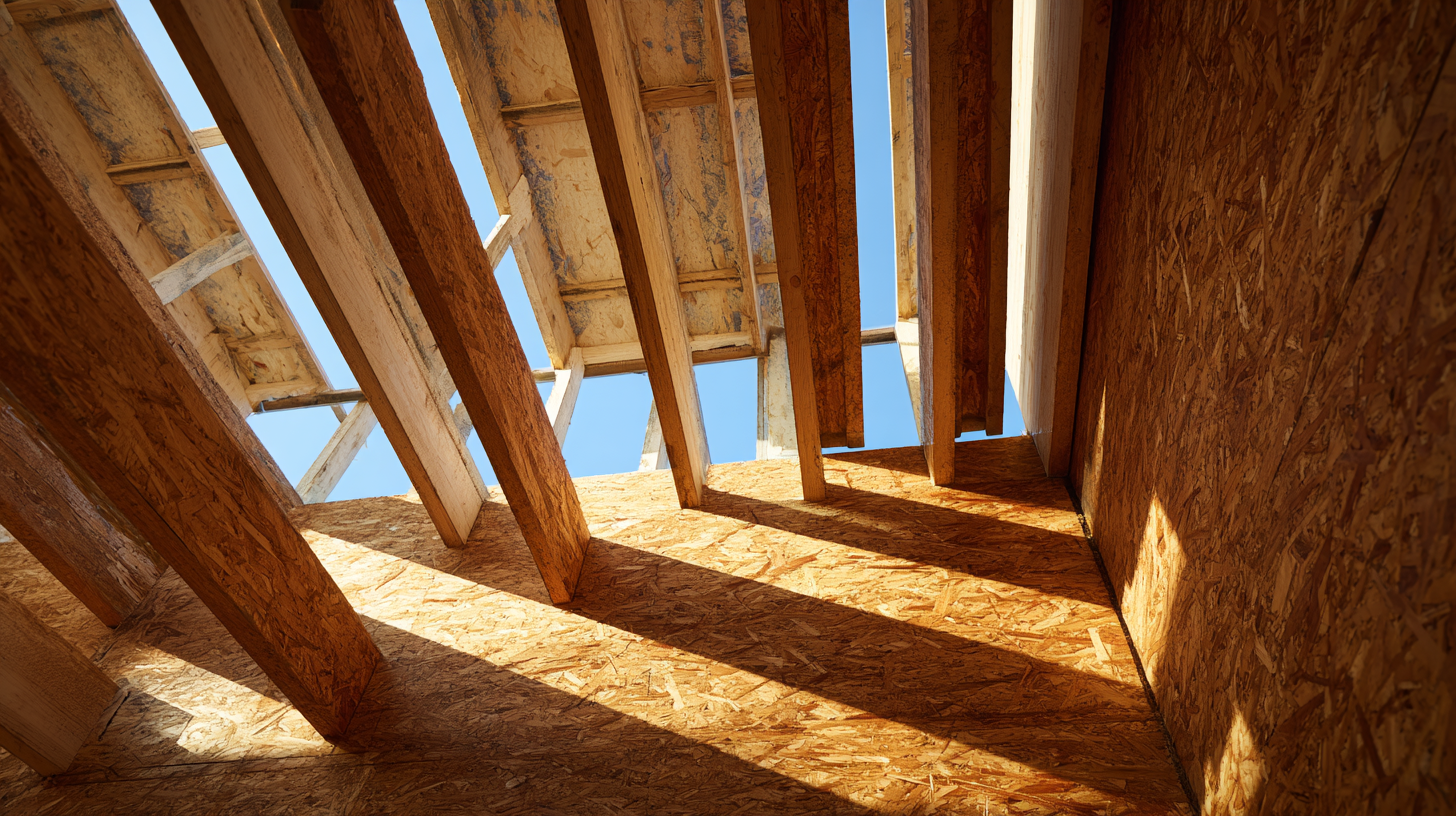
Another important aspect is the environmental conditions the beams will face. OSB has varying resistance to moisture and temperature fluctuations, so selecting the right type for your climate is critical. If you’re working in a higher moisture environment, consider opting for moisture-resistant OSB to prevent warping or degradation over time. Additionally, check for proper certifications, which can indicate the OSB's quality and compliance with safety standards, ensuring that you are investing in materials that will provide durability and structural integrity for your project.
4 Tips for Proper Installation and Maintenance of OSB Beams
Oriented Strand Board (OSB) beams have gained popularity in construction due to their high strength-to-weight ratio and cost-effectiveness. However, proper installation and maintenance are crucial to maximizing their performance and durability. According to a report by the Engineered Wood Association, OSB exhibits similar structural properties to plywood, making it an ideal choice for many building projects. Here are some tips for ensuring your OSB beams perform optimally.
First, during installation, ensure that you select the correct grade of OSB based on your load requirements. Utilize beams designed for structural use, as they are engineered to handle specific loads and stresses. It's recommended to use OSB rated for exposure to moisture if the beams are installed in areas prone to humidity or wet conditions. According to the American Wood Council, proper moisture management can enhance the lifespan of OSB products significantly.
Second, periodic maintenance is essential for OSB beams. Regularly inspect beams for signs of damage, such as warping or delamination. Implementing a waterproof coating can also protect the beams from moisture intrusion, thereby preventing degradation. The National Association of Home Builders emphasizes that keeping OSB beams dry can extend their service life and maintain structural integrity, which is vital in sustaining the overall health of your building.