Transform Your Space: Creative Ways to Use Ceiling Bamboo Panels in Interior Design
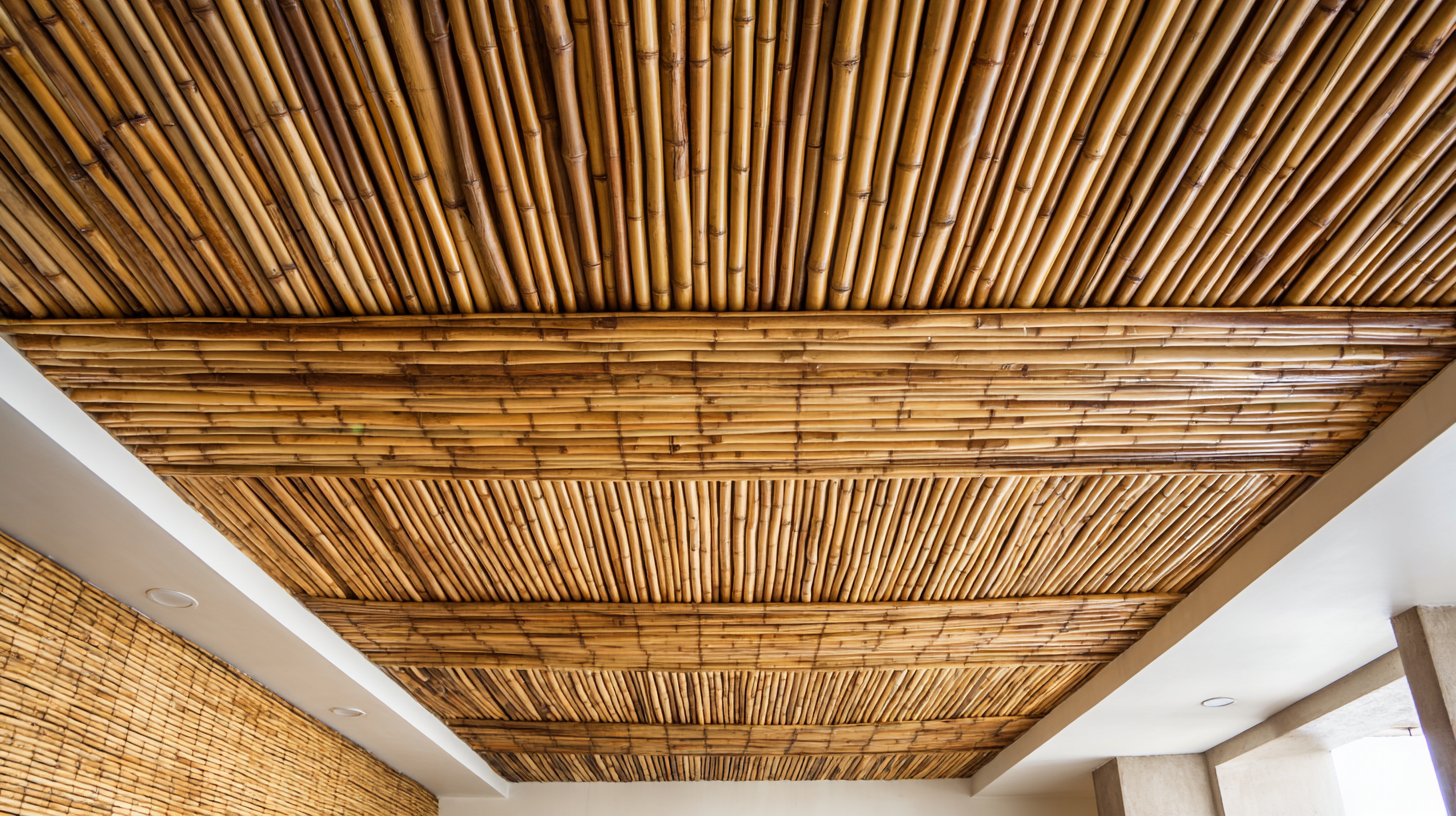
Ceiling Bamboo Panels have emerged as a popular choice in contemporary interior design, providing a unique blend of aesthetics and functionality. These eco-friendly materials not only enhance the visual appeal of a space but also offer versatility in application. From cozy residential settings to dynamic commercial environments, the creative use of Ceiling Bamboo Panels can transform an ordinary room into a stunning showcase of natural beauty. This article will explore innovative techniques and inspiring ideas on how to incorporate these panels into various areas of your home or office. Whether you're looking to create a serene ambiance in your living room or add a touch of sophistication to a workspace, the potential of Ceiling Bamboo Panels is limitless. Join us as we delve into the art of transforming your space while embracing sustainability with these captivating design elements.
Innovative Techniques to Incorporate Bamboo Panels in Living Areas
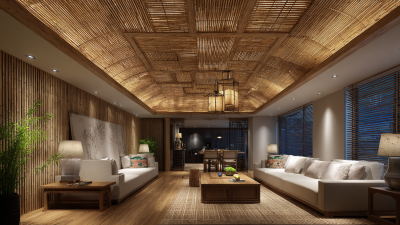
Incorporating bamboo panels into interior design, particularly in living areas, offers both aesthetic appeal and sustainability. A report by the International Network for Bamboo and Rattan shows that bamboo can grow up to 91 cm in a single day, making it an incredibly renewable resource. This rapid growth rate not only contributes to its eco-friendliness but also leads to a unique texture and warmth that enhances any space. By using bamboo ceiling panels, homeowners can achieve a modern yet organic aesthetic that promotes a calming atmosphere.
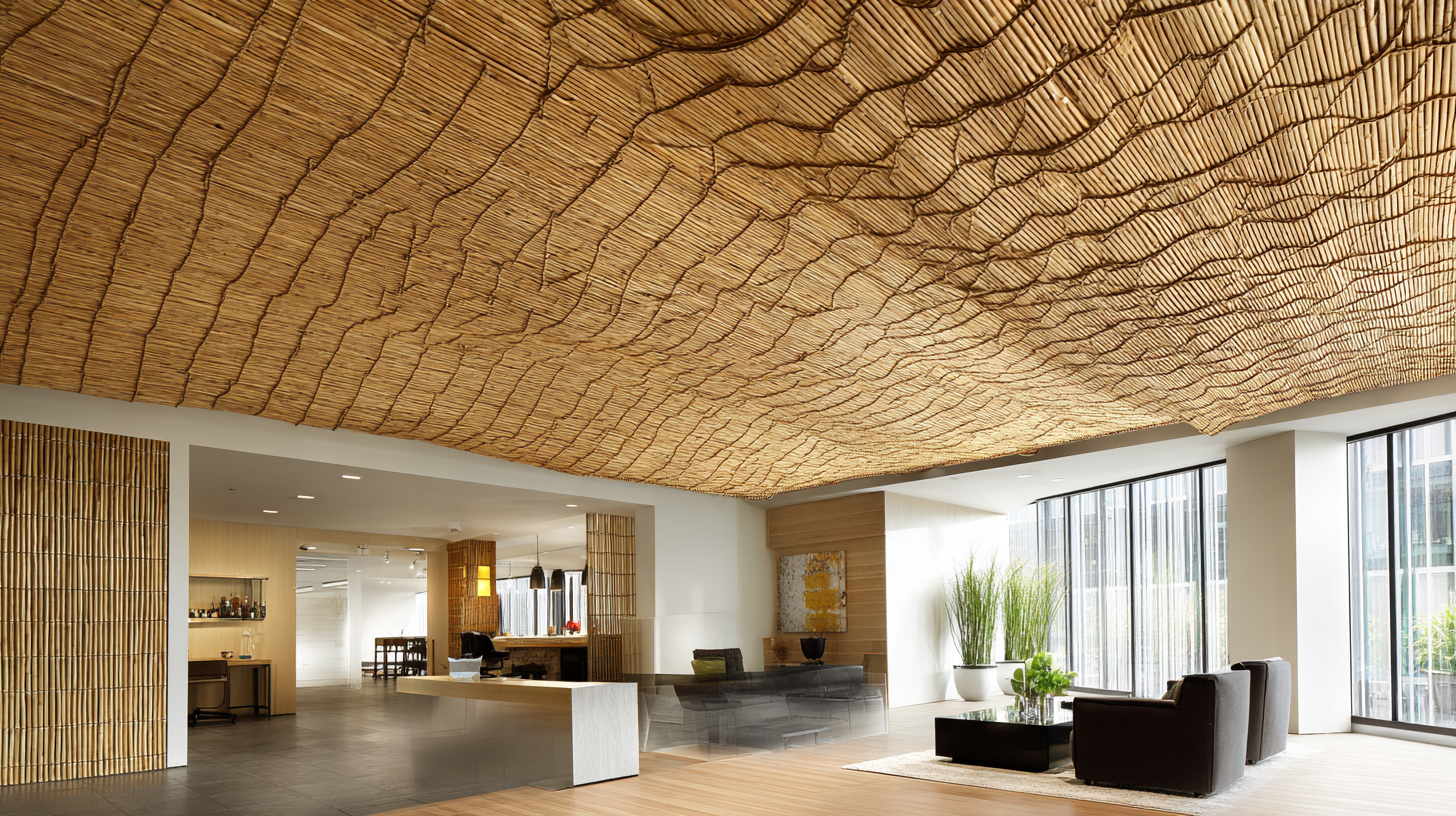
Innovatively, bamboo panels can be utilized in various ways beyond traditional ceiling applications. For instance, they can be used as wall accents, creating a striking feature that draws the eye and adds depth to a room. According to a study from the American Society of Interior Designers (ASID), incorporating natural materials like bamboo can improve overall well-being and increase property value by as much as 15%. Additionally, using bamboo panels in open-plan living areas can help define spaces while maintaining an airy, open feel. By integrating these panels, interior designers have found that they can merge functionality with style, truly transforming living spaces into sustainable sanctuaries.
Transformative Design Ideas for Bamboo Ceiling Panels in Kitchens
When it comes to transforming your kitchen with bamboo ceiling panels, the possibilities are as
expansive as your imagination. These natural panels not only bring an organic warmth to the space
but also serve as a stunning focal point. For a contemporary look, consider pairing bamboo panels
with minimalist cabinetry and sleek countertops. This combination allows the
bamboo texture to shine while maintaining a clean, sophisticated aesthetic.
Tips: To elevate your kitchen design further, consider adding
integrated lighting that highlights the grain of the bamboo. LED strip lights installed
along the ceiling edge can create an ambient glow that sets a tranquil mood for your
cooking space. Another effective approach is to combine bamboo with bold color schemes
like orange and green,
which are gaining popularity in 2025. This lively pairing can invigorate the kitchen and
make the bamboo ceiling even more of a statement piece.
Finally, don't underestimate the impact of decorative elements such as open shelving or
artwork that complements your bamboo panels. Selecting items that echo the
natural theme, such as ceramic or wooden accessories, will create a cohesive design.
Mixing traditional craftsmanship with modern touches will result in a kitchen that feels both
current and timeless, ultimately transforming your culinary haven.
Enhancing Acoustic Properties with Bamboo Panels in Your Home Office
In the modern workspace, where distractions often disrupt productivity, the integration of ceiling bamboo panels can significantly enhance the acoustic properties of a home office. These natural materials are not just aesthetically pleasing but also effective sound absorbers. By installing bamboo panels on the ceiling, you can create a quieter atmosphere that promotes focus and efficiency, reducing echoes and the intrusion of external noise.
Moreover, bamboo's unique texture and warm tones contribute to a calming environment, making it an ideal choice for home offices. The installation of these panels can transform the ambiance of the space while providing functional benefits. The lightweight nature of bamboo makes it easy to handle and install, allowing for versatile design options. Whether you opt for a modern minimalist look or a more traditional setting, bamboo panels offer a stylish solution that enhances both the sound quality and the overall atmosphere of your workspace.
Color and Texture: Mixing Bamboo Ceiling Panels with Other Materials
One of the most exciting trends in interior design for 2023 is the resurgence of natural materials, particularly wood and bamboo. Specifically, bamboo ceiling panels have gained popularity for their ability to blend seamlessly with various design elements, creating a vibrant and inviting space. According to industry reports, the demand for sustainable materials like bamboo has surged by over 40% as homeowners prioritize eco-friendly options in their design choices. This shift not only enhances the aesthetic appeal of a room but also contributes positively to the environment.
Mixing bamboo ceiling panels with other materials can elevate your space’s design significantly. For example, pairing bamboo with metals or stone can create a striking contrast that adds depth and interest. An emerging trend is the use of mixed textures, where bamboo panels can be complemented by wood furniture in varying shades, helping to achieve a harmonious look without overwhelming the senses. Designers emphasize that this technique allows for flexibility—whether you prefer a minimalist space or a bold, eclectic design. With bathroom trends also leaning towards multifunctional spaces adorned with unique textures and colors, incorporating bamboo panels can enhance both the functionality and the visual appeal of your home.
Transform Your Space with Bamboo Ceiling Panels
Eco-Friendly Design: The Sustainability of Bamboo Panels in Interiors
In recent years, sustainability has become a significant focus in interior design, and bamboo panels have emerged as an eco-friendly alternative to traditional materials. Bamboo is a rapidly renewable resource, growing up to 35 inches in a single day and maturing in just three to five years. This quick growth not only helps combat deforestation but also contributes to reducing carbon emissions, making bamboo an ideal choice for environmentally conscious designers and homeowners.
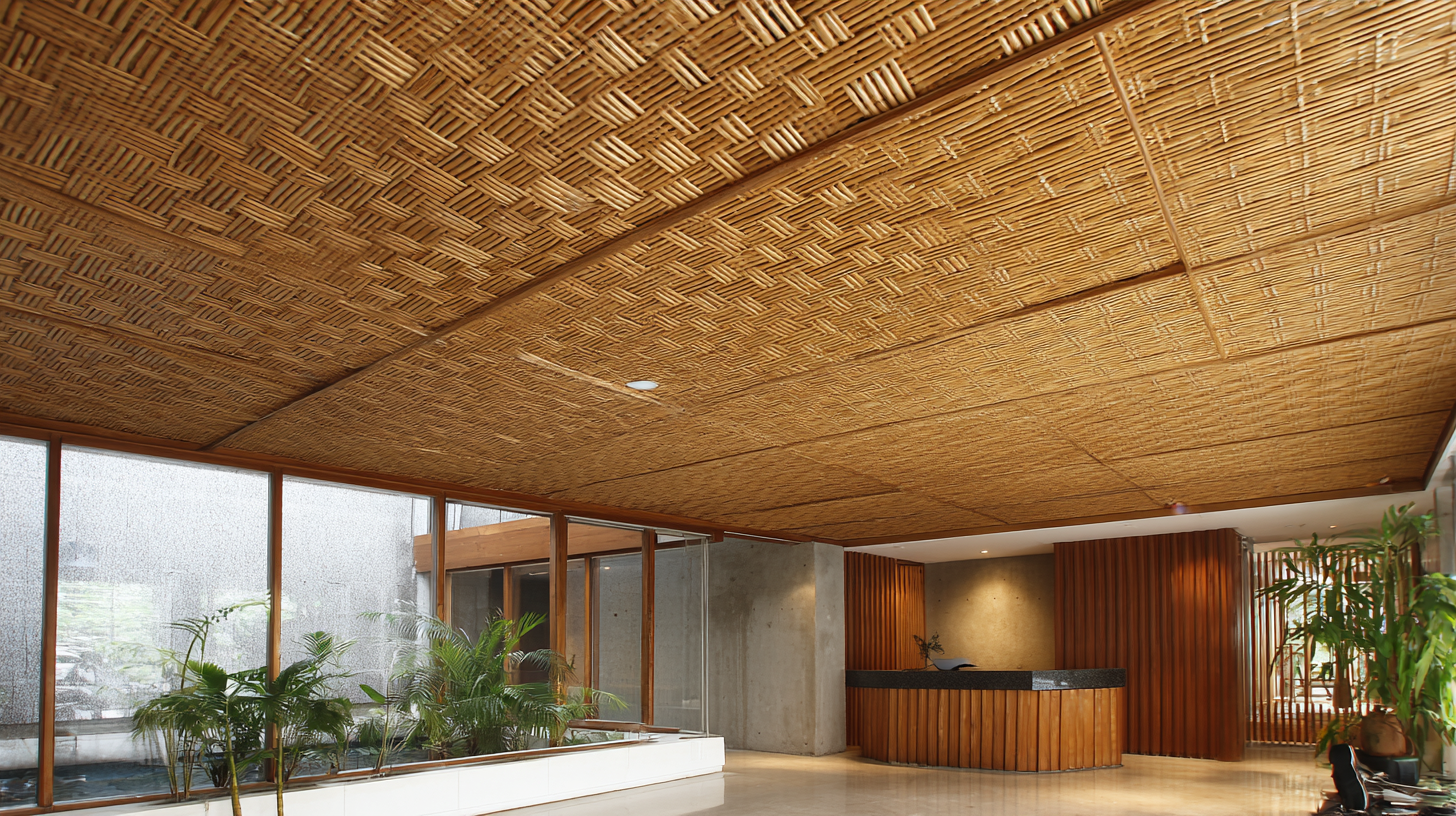
The aesthetic appeal of bamboo panels adds to their popularity in interior spaces. They can be creatively incorporated into various designs, from sleek modern environments to rustic settings. Whether used as ceiling accents, wall coverings, or functional furniture pieces, bamboo panels infuse spaces with warmth and texture while promoting a sense of nature indoors. Choosing bamboo aligns with sustainable design principles, showcasing that elegance can coexist with environmental responsibility, ultimately leading to healthier living spaces that resonate with the ethos of eco-consciousness.