Maximizing Structural Integrity: The Role of Engineered Floor Joists in Modern Construction Trends
As the landscape of modern construction continues to evolve, the focus on maximizing structural integrity has become paramount. Engineered floor joists, specifically designed for strength and efficiency, play a critical role in enhancing building frameworks.
According to a report by the Engineered Wood Association, the use of engineered wood products, including structural floor joists, has increased by over 20% in the past decade, driven by their superior load-bearing capacities and resistance to environmental factors compared to traditional materials.
These advancements not only support heavier loads but also allow for larger spans and improved design flexibility, aligning with contemporary architectural trends that prioritize open spaces and aesthetic appeal.
By integrating structural floor joists into their projects, builders can ensure a robust foundation that meets current safety standards while also tapping into innovative construction practices.
Enhanced Load-Bearing Capacity: Benefits of Engineered Floor Joists in Modern Design
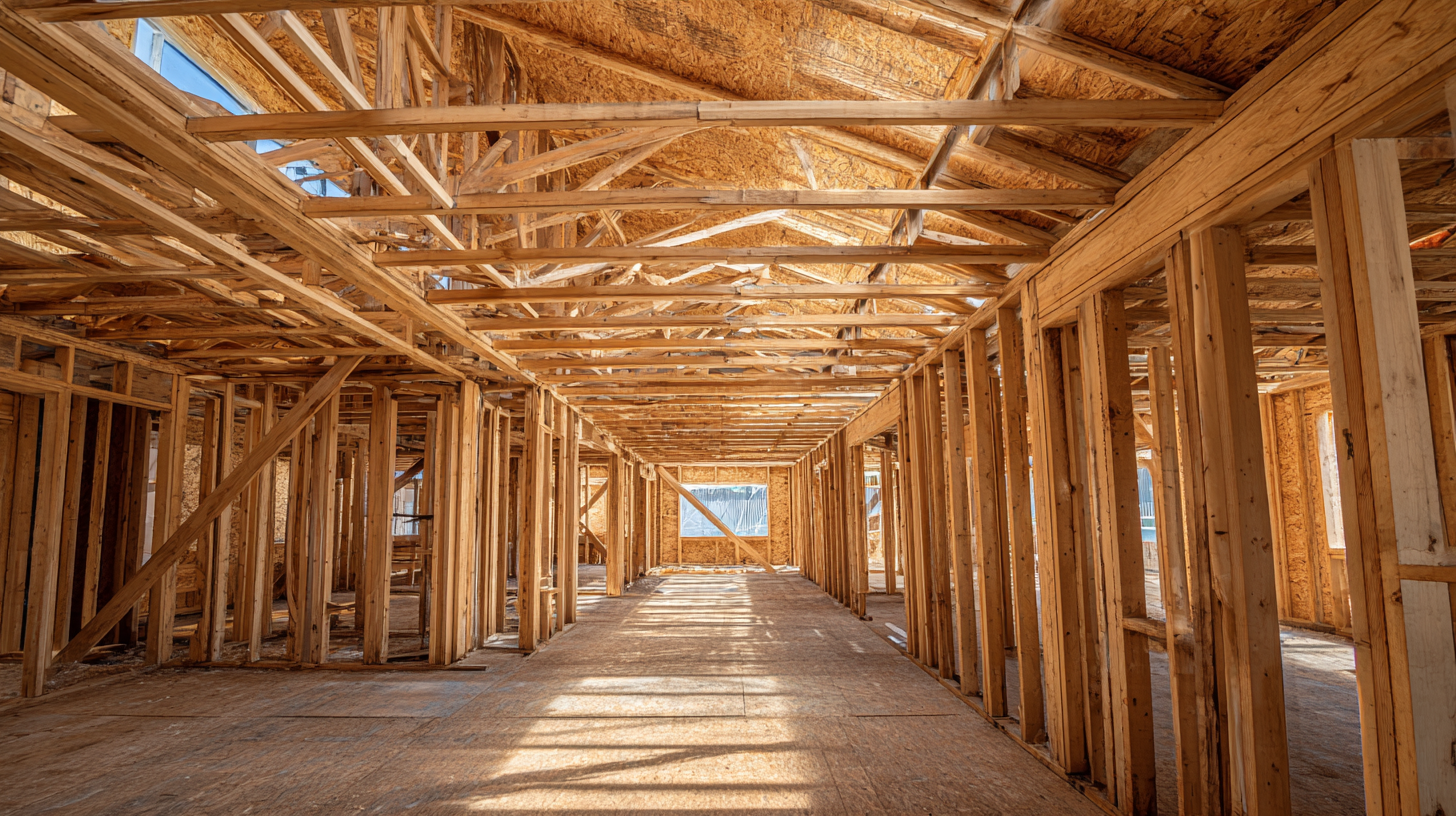
Engineered floor joists have emerged as a significant element in modern construction, particularly due to their enhanced load-bearing capacity, which plays a crucial role in contemporary design. These engineered wood products are designed to optimize structural integrity while minimizing material waste. According to recent market studies, the engineered wood product (EWP) sector is projected to experience a compound annual growth rate (CAGR) of around 6.5% through 2025, driven largely by the increasing demand for innovative and resource-efficient construction solutions.
One notable advantage of engineered floor joists is their ability to support higher loads compared to traditional solid-sawn lumber. This enhanced performance stems from their engineered composition, which allows for greater spans and reduced deflection, making them ideal for open-concept layouts commonly found in modern residential and commercial spaces. Furthermore, research indicates that using engineered cementitious composites and advanced materials can further elevate the structural capabilities of these joists, integrating seamlessly with sustainable practices aimed at reducing the carbon footprint of building projects. As the industry gravitates toward greener alternatives and restoration of ecological balance, the incorporation of engineered floor joists reflects a forward-thinking approach within construction trends.
Maximizing Structural Integrity: The Role of Engineered Floor Joists in Modern Construction Trends
| Dimension |
Value |
Benefits |
| Load-Bearing Capacity |
Up to 50% more than traditional joists |
Increased structural integrity |
| Weight |
Lighter than wood |
Easier handling and transportation |
| Durability |
Resistant to warping and splitting |
Longer lifespan and reduced maintenance |
| Sound Dampening |
Improved acoustics |
Enhanced comfort in living spaces |
| Sustainability |
Made from renewable resources |
Lower carbon footprint |
Innovative Materials: Advancements in Engineered Joist Technology for Structural Integrity
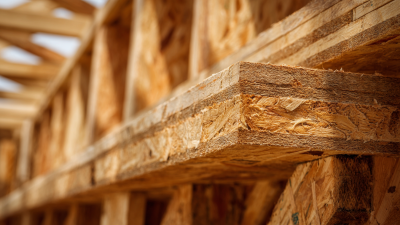
In modern construction, engineered floor joists are becoming increasingly popular due to their remarkable advantages in enhancing structural integrity. These joists, made from advanced materials like laminated veneer lumber (LVL) and oriented strand board (OSB), offer superior strength and stability compared to traditional timber. Their design allows for longer spans, reducing the need for additional supports, which can open up spaces in residential and commercial buildings.
Tips: When selecting engineered joists, consider the specific load requirements of your project. Consult with a structural engineer to ensure optimal performance and compliance with local building codes. Additionally, look for products that have been tested for durability and moisture resistance, as these factors critically influence the longevity of your floor system.
Advancements in engineered joist technology also include integrated moisture control and enhanced fire resistance properties. New manufacturing techniques are allowing for even greater consistency in production, ensuring that each joist meets high-performance standards. This evolution in material technology not only streamlines the construction process but also enhances safety and longevity, making engineered joists a smart choice for modern building projects.
Tips: Always ensure that the installation is done by trained professionals to maximize the benefits of engineered floor joists. Keeping an eye on the environmental impact of materials and choosing sustainable options can further enhance the efficiency and appeal of your construction endeavors.
Cost-Effectiveness: How Engineered Floor Joists Optimize Building Budgets and Timelines
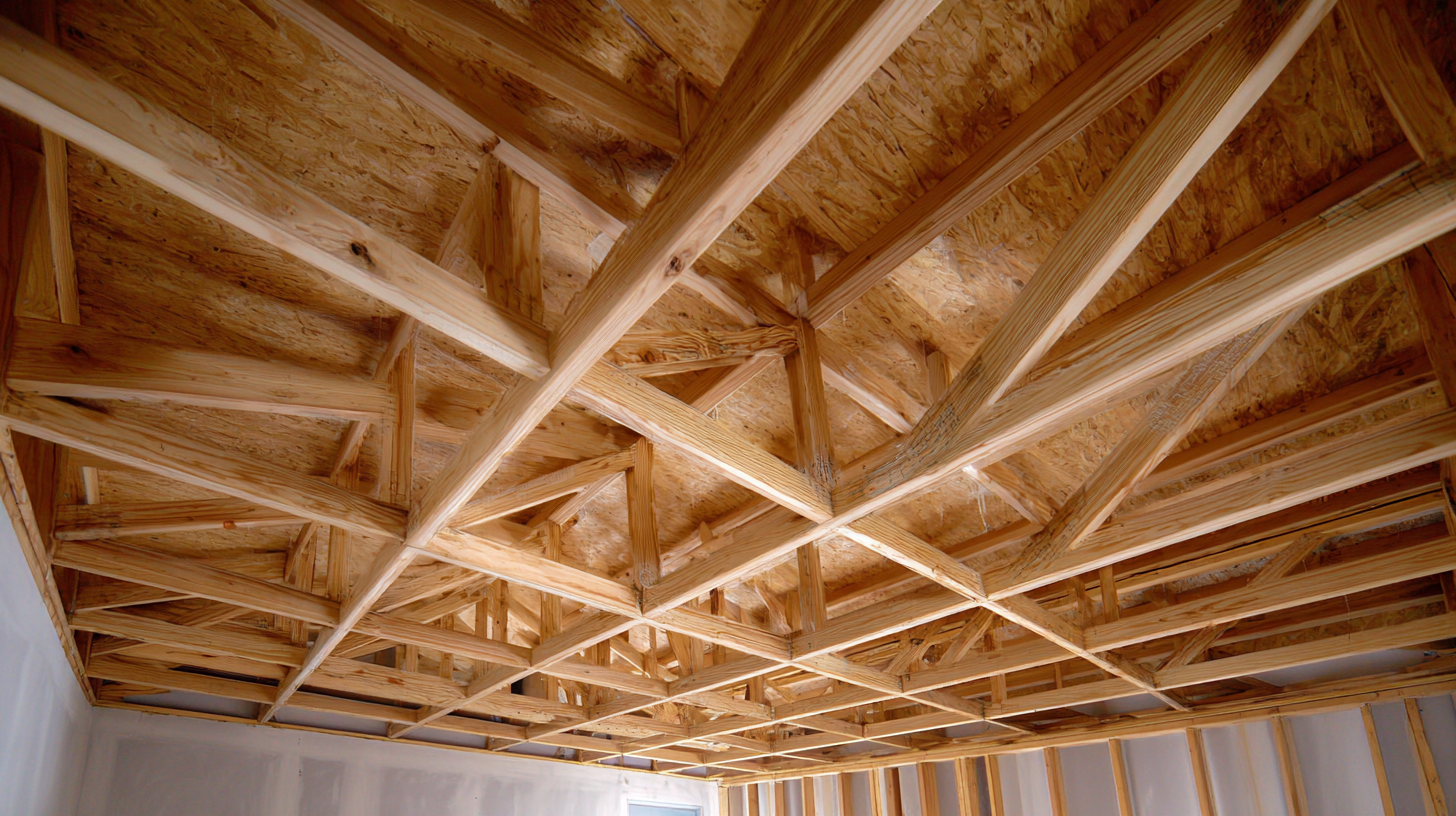
Engineered floor joists have revolutionized the construction industry by providing a cost-effective solution that enhances building budgets and timelines. According to the Building Materials Manufacturers Association, engineered wood products, including floor joists, can reduce construction costs by as much as 20% due to their optimized usage of resources, lightweight design, and ease of handling. This significant reduction in material waste not only lowers expenses but also minimizes the project's environmental footprint.
Moreover, the efficiency of engineered floor joists extends to project timelines. A study by the International Code Council revealed that using these advanced materials can decrease construction time by 30% compared to traditional lumber. The precision manufacturing of engineered joists allows for quicker installation and fewer delays caused by on-site adjustments. This expedience is particularly beneficial in today's fast-paced construction environment where meeting deadlines is crucial for maintaining profitability. By incorporating engineered solutions like floor joists, builders can achieve more streamlined processes while ensuring structural integrity and longevity in their projects.
Sustainability Matters: Environmental Benefits of Using Engineered Floor Joists in Construction
Engineered floor joists are revolutionizing modern construction by offering considerable environmental benefits. Unlike traditional lumber, engineered joists are manufactured from sustainable materials, allowing builders to utilize resources more efficiently. According to the Structural Building Components Association, engineered wood products can reduce the use of raw timber by up to 50%, addressing concerns over deforestation and promoting responsible forestry practices.
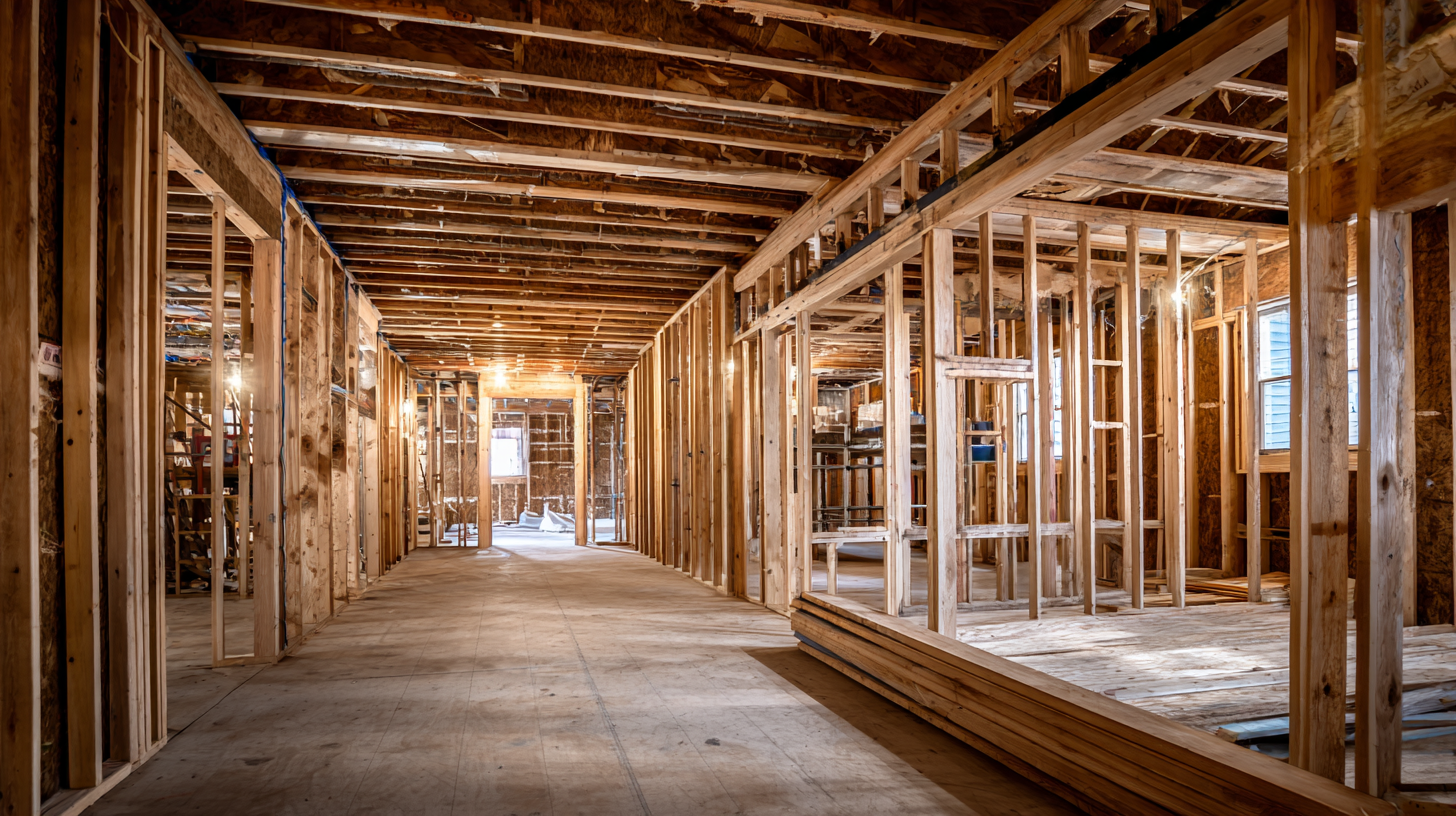
Moreover, the ability to create lighter structures with engineered joists results in less material waste during construction. A report by the Forest Products Laboratory indicates that engineered joists contribute to an overall decrease in energy consumption during production and transportation due to their reduced weight. Additionally, these joists provide excellent thermal performance, which improves energy efficiency for buildings, ultimately leading to lower carbon footprints over their lifecycle. With growing demand for sustainable building practices, integrating engineered floor joists is not just a trend but a necessity for environmentally conscious construction.
Installation Tips: Best Practices for Maximizing Performance of Engineered Floor Joists
Engineered floor joists have become a cornerstone in modern construction, offering superior performance and structural integrity. When installing these joists, understanding the materials used is crucial for maximizing their effectiveness. For instance, advanced subfloor panels made with higher resin and wax formulations enhance moisture resistance and durability. This is particularly vital in areas prone to humidity or water exposure, as engineered wood products contribute to long-lasting structural performance.
In addition to the quality of materials, proper installation techniques significantly influence the performance of engineered floor joists. Using adhesives specifically designed for compatibility with engineered panels can eliminate squeaks and enhance load distribution. Industry data indicates that utilizing appropriate adhesives can lead to a noticeable reduction in sound transmission and improve overall structural integrity. Furthermore, ongoing investments in engineered wood production suggest a growing emphasis on enhanced product capabilities, which signifies a shift towards optimizing both performance and sustainability in building practices. By integrating these best practices, builders can ensure that their projects meet modern standards for quality and longevity.
Maximizing Structural Integrity: Performance of Engineered Floor Joists
This chart illustrates key performance metrics for engineered floor joists used in modern construction. The load capacity demonstrates the strength of the joists, while installation time, cost, and deflection limit are critical factors in ensuring structural integrity and efficiency during projects.