Essential Guide to Choosing the Right Flooring Lumber for Your Home Renovation
When it comes to home renovation, selecting the right materials can significantly impact both aesthetics and functionality. One of the most critical choices to make is determining the appropriate flooring lumber for your space. With an array of options available, from hardwood to engineered wood, each type of flooring lumber offers unique benefits and considerations that can influence the overall look and durability of your home.
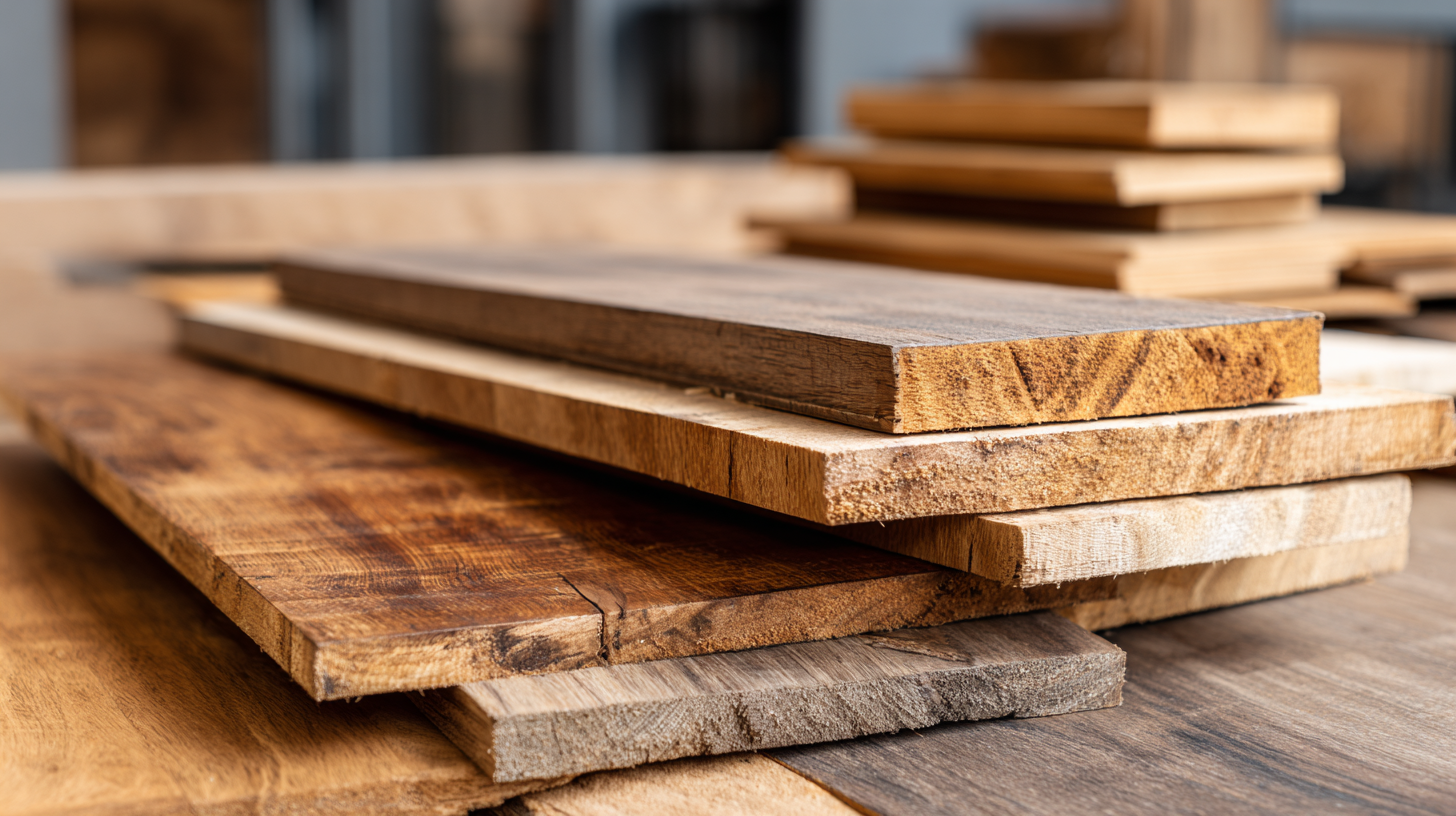
This essential guide aims to navigate you through the process of choosing the ideal flooring lumber, ensuring you make informed decisions that resonate with your style, budget, and lifestyle needs. Understanding the characteristics of different types of flooring lumber, such as their durability, maintenance requirements, and environmental impact, will empower you to create a beautiful and lasting foundation for your home. Whether you are renovating a single room or embarking on a full home makeover, following this guide will help you achieve the perfect flooring solution tailored just for you.
Types of Flooring Lumber: An Overview of Common Materials
When embarking on a home renovation, selecting the right flooring lumber is a crucial decision that impacts both aesthetics and functionality. There are several common types of flooring lumber, each with unique properties. Solid hardwood, for example, offers unmatched durability and a classic appearance, making it a popular choice among homeowners. According to the National Wood Flooring Association, hardwood floors can last between 30 to 100 years if properly maintained, making them a sound investment for long-term use.
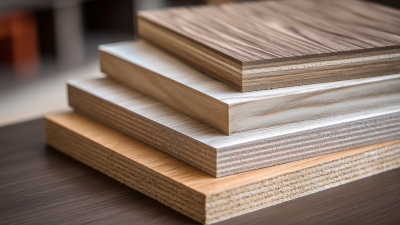
Engineered wood flooring is another viable option, composed of multiple layers that provide stability and resistance to climate changes. A 2022 report by MarketWatch highlighted that the engineered wood market is projected to grow significantly, driven by its affordability and versatility. This type of flooring is particularly suited for areas with fluctuating humidity levels, as it minimizes the risk of warping. Other materials, such as laminate and bamboo, also present attractive alternatives, each offering distinct benefits in terms of cost, maintenance, and environmental impact. Understanding these options ensures that homeowners make an informed decision suited to their renovation goals.
Essential Guide to Choosing the Right Flooring Lumber for Your Home Renovation
This chart illustrates the popularity of different flooring lumber types used in home renovations, highlighting the most commonly chosen materials based on their percentage in overall renovation projects.
Hardwood vs. Engineered Wood: Which Flooring Option is Best?
When choosing the right flooring for your home renovation, the debate between
hardwood and
engineered wood is significant. Recent research highlights that both options offer distinct advantages tailored to various needs.
Solid hardwood is often praised for its authenticity and longevity, making it a timeless choice for many homeowners.
However, engineered wood has gained popularity due to its enhanced stability and resistance to humidity, making it suitable for areas like
basements and
kitchens where moisture can be a concern.
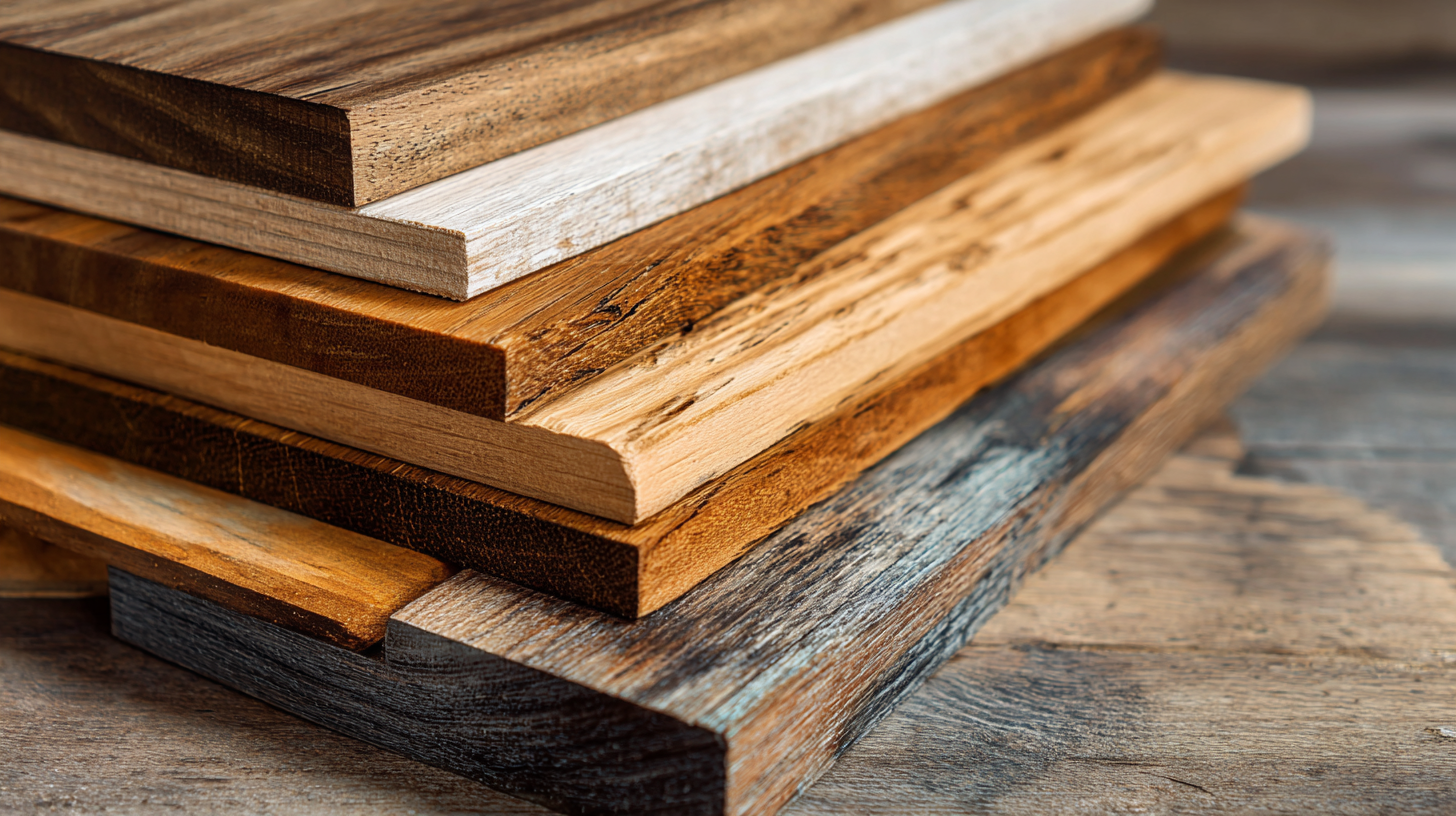
According to recent testing results, engineered wood options demonstrate remarkable durability,
essential for high-traffic areas. In fact, industry reports note that engineered wood boasts better performance against
scratches and
dents compared to traditional hardwood, an important consideration for families with pets or
active lifestyles. As trends shift towards low-maintenance yet stylish floors, options like engineered wood remain favored for their
ease of care and aesthetic appeal, making them a practical choice in modern home design.
Sustainable Choices: Eco-Friendly Flooring Lumber Options
When it comes to home renovations, opting for eco-friendly flooring materials is becoming increasingly popular. As we look ahead to 2025, significant trends highlight the shift towards sustainability without sacrificing style. The global floor covering market is projected to reach USD 869.14 billion by 2033, indicating a robust growth that is heavily influenced by sustainable choices. Eco-friendly options such as bamboo, cork, and FSC-certified hardwood are not only renewable but also durable, making them ideal for modern homes.
Tips for selecting sustainable flooring include prioritizing materials that have low environmental impact and are sourced responsibly. For instance, bamboo grows rapidly and absorbs carbon dioxide, making it a smart eco-choice for flooring. Additionally, consider options like reclaimed wood, which not only minimizes waste but also adds character to your space. Engineered wood is another viable choice, offering the beauty of natural wood with enhanced durability.
As homeowners continue to seek stylish yet sustainable solutions, expect to see more innovative flooring trends that integrate functionality with environmental consciousness. Whether you’re renovating a bathroom or a living room, investing in eco-friendly flooring can greatly enhance your home’s aesthetic while supporting global sustainability goals.
Essential Guide to Choosing the Right Flooring Lumber for Your Home Renovation - Sustainable Choices: Eco-Friendly Flooring Lumber Options
| Lumber Type |
Sustainability Rating |
Durability |
Cost per Square Foot ($) |
Origin |
| Bamboo |
A |
High |
$4.00 |
Asia |
| Cork |
A |
Medium |
$5.50 |
Portugal |
| Reclaimed Wood |
B |
High |
$6.00 |
Various |
| Sustainable Hardwood |
B |
High |
$7.00 |
North America |
| Linoleum |
A |
Medium |
$4.50 |
Europe |
Cost Considerations: Budgeting for Your Flooring Lumber Purchase
When embarking on a home renovation project, budgeting for flooring lumber is a critical consideration that can significantly impact overall costs. It's essential to assess not only the price per square foot of various lumber types but also the potential long-term expenses associated with maintenance and installation. Different species of wood, such as oak, maple, or pine, vary in price due to their availability and durability. Therefore, researching and comparing options can help you find the best fit for your budget without compromising quality.
In addition to the initial purchase price, it’s important to factor in additional costs that may arise during the renovation process. This includes potential installation fees, which can vary depending on the complexity of the job and whether professional help is required. Also, consider the potential for wastage during installation, which can lead to needing extra material. Setting aside a contingency budget of 10-15% for unexpected expenses can provide peace of mind and ensure your home renovation stays on track financially. By thoroughly evaluating both upfront and hidden costs, you can make an informed decision that aligns with your culinary vision and financial capacity.
Maintenance and Durability: Selecting Long-Lasting Flooring Solutions
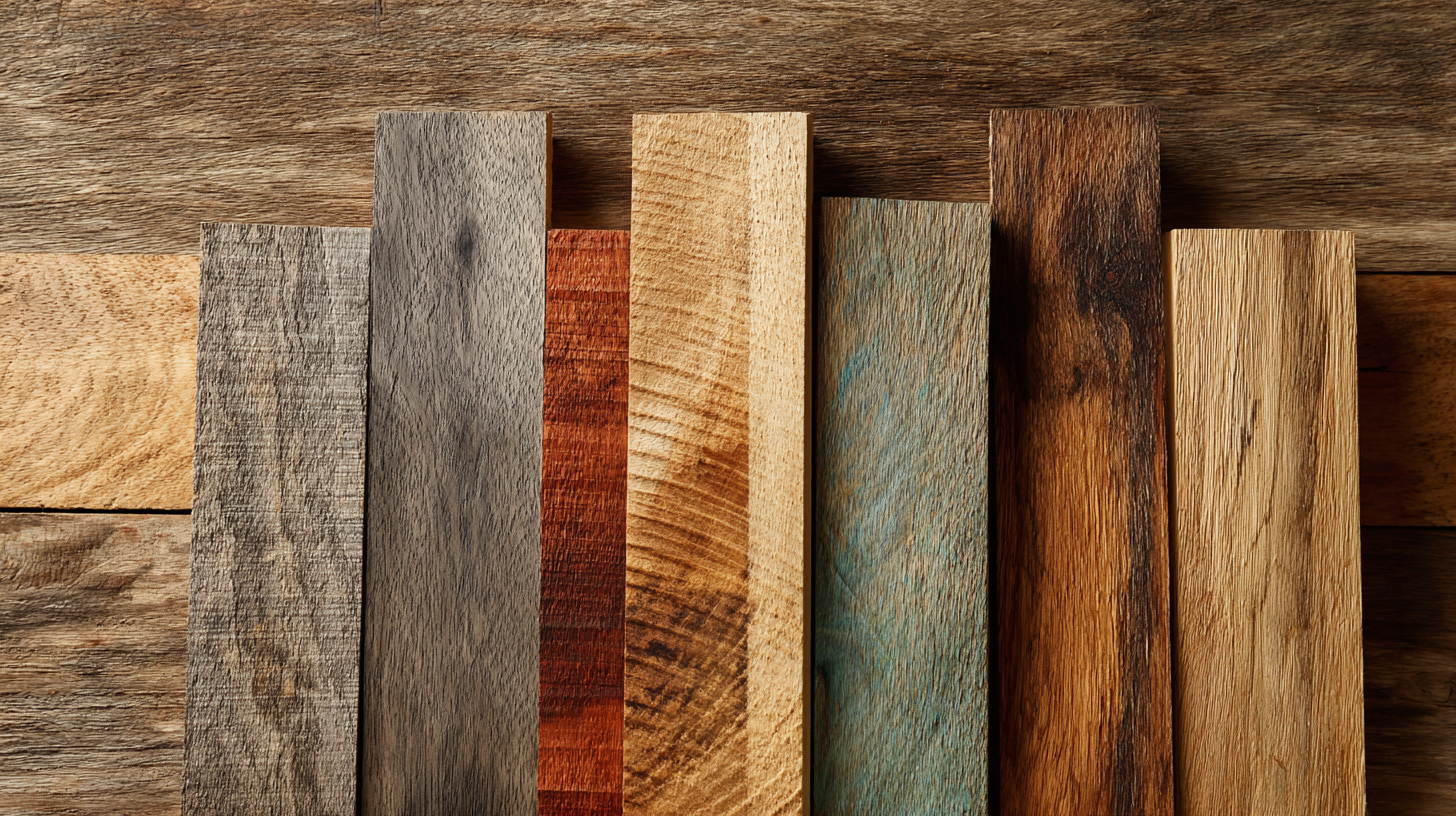
When selecting flooring for your home renovation, maintenance and durability are crucial factors to consider. Low-maintenance options like engineered wood and ceramic tile are gaining popularity due to their resilience and ease of upkeep. These materials not only withstand the rigors of daily life but also maintain their aesthetic appeal over time. Homeowners are increasingly looking for solutions that can handle heavy foot traffic while requiring minimal care, making these options ideal for busy households.
Additionally, when considering kitchen flooring, certain choices stand out for their combination of style and durability. High-quality laminate and porcelain tile have emerged as favorites, offering both visual allure and strength. As trends evolve, incorporating flooring that resists scratches, stains, and moisture will be essential in creating a long-lasting, beautiful home environment. Investing in professional installation can further enhance the performance of your chosen flooring, ensuring it meets the demands of your lifestyle while remaining stylish and functional for years to come.